“Jonas always DNFs on even years.”
I believe it was Sten Orsvärn who first coined that phrase. And looking at the scorecard, he wasn't wrong: across my five previous attempts, I had only ever finished on odd years (2014 DNF, 2015 Win, 2016 DNF, 2017 Win). But 2018 had to be different. I was in the best shape of my life: after a previous year riddled with injury, I had logged six uninterrupted months of solid, high-volume consistency without a single physical breakdown.
Originally, once my entry to UTMB 2018 was officially confirmed, I made a pact not to toe the line at SAU. Having trained five years for UTMB, risking an untimely injury just six weeks prior felt like reckless roulette. But Swedish Alpine Ultra is special: it's the race that ignited my ultrarunning journey, curated by the tireless legend Roland, filled with familiar faces, and blessed on race morning with breathtaking weather. So there I stood in Nikkaluokta, ninety days out from the biggest race of my life. What could possibly go wrong?
At the gun, my brother Tobias and I took the lead alongside a Spanish trio, who quickly fell off the pace. By midway to Kebnekaise, the only runner in sight was Anna, shadowing us a switchback behind.
With UTMB looming six weeks away, I treated today as a disciplined dress rehearsal, testing new kit and fueling protocols: Altra Lone Peak 3.5 trail shoes (which had performed flawlessly on long runs with their zero-drop wide toe box) and a high-carb liquid fueling strategy pushing heavy calorie concentrations hourly.
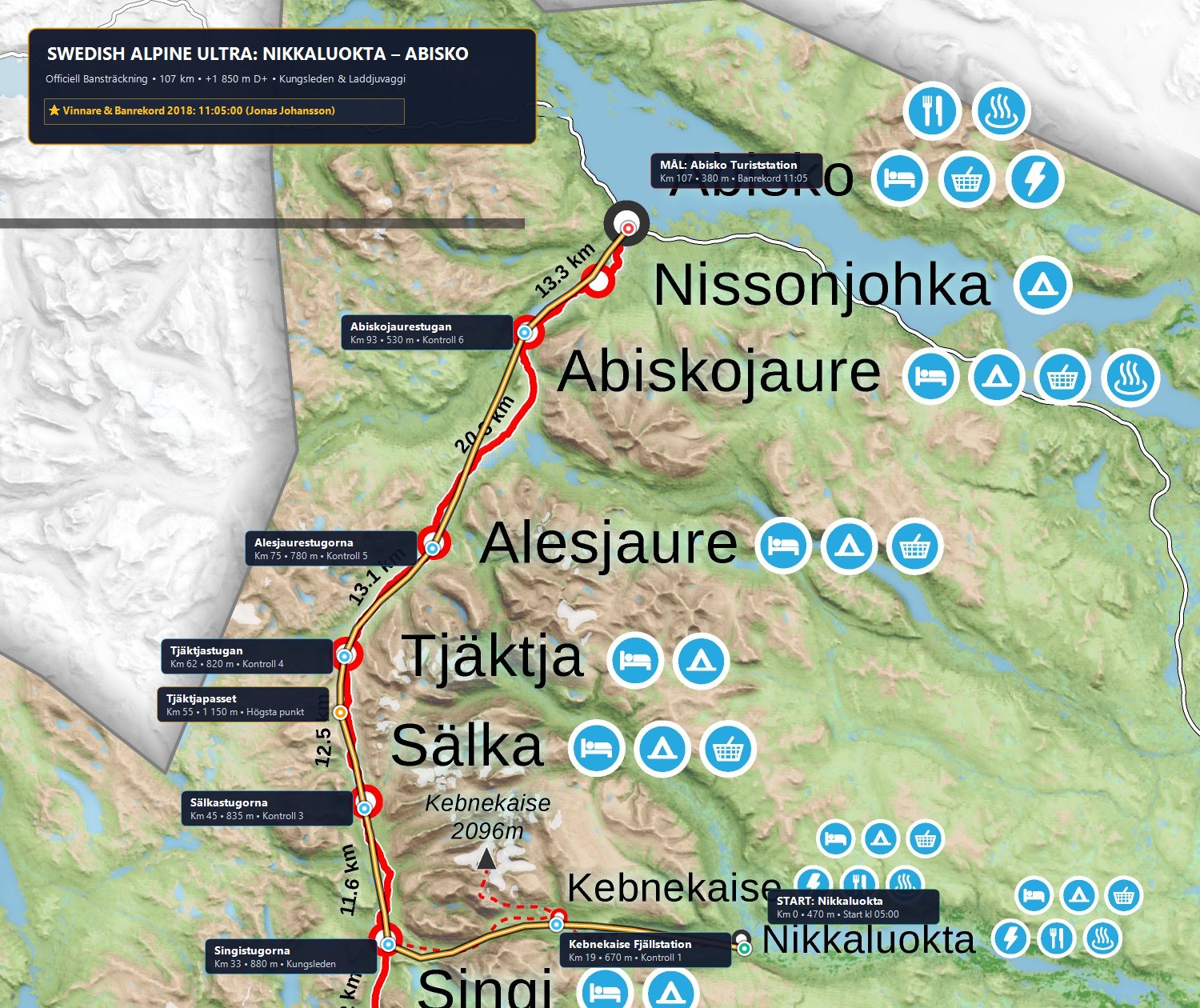
The kilometers ticked by effortlessly. We were cruising, chatting relaxed the whole way. By Kebnekaise Mountain Station, we were already comfortably ahead of our 2017 course record splits—and the gap widened with every passing checkpoint.
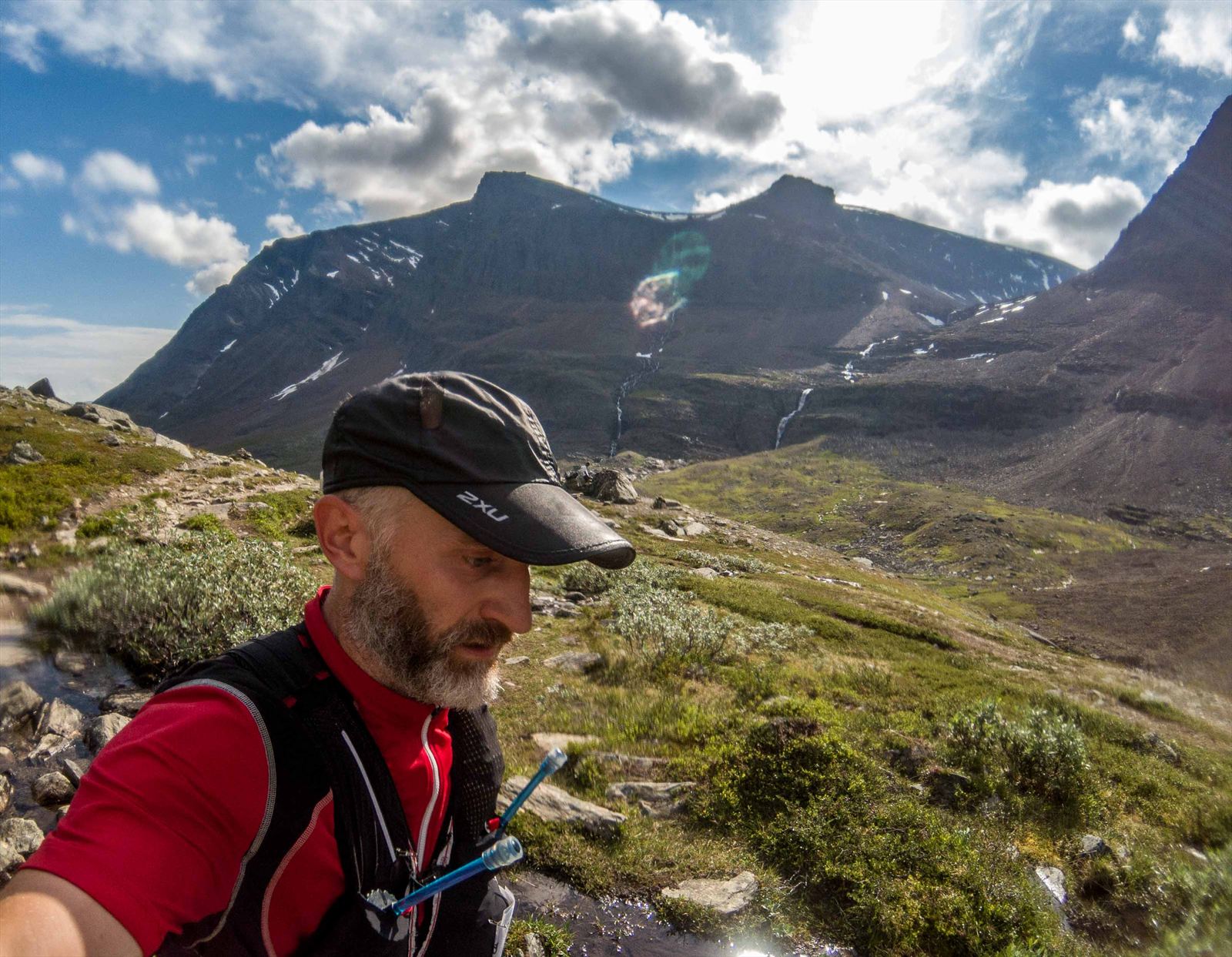
Just before Singi, I took my first violent spill. Cruising at an easy clip right after passing two hikers, my toe clipped a low rock. In what felt like slow motion, I spun a quarter turn and slammed onto all fours, my hands and right knee absorbing the full impact. I popped right up, calling back to the hikers that all was fine, but my right knee took the brunt of the blow. It took several minutes of ginger hobbling before I could ease back into a running stride.
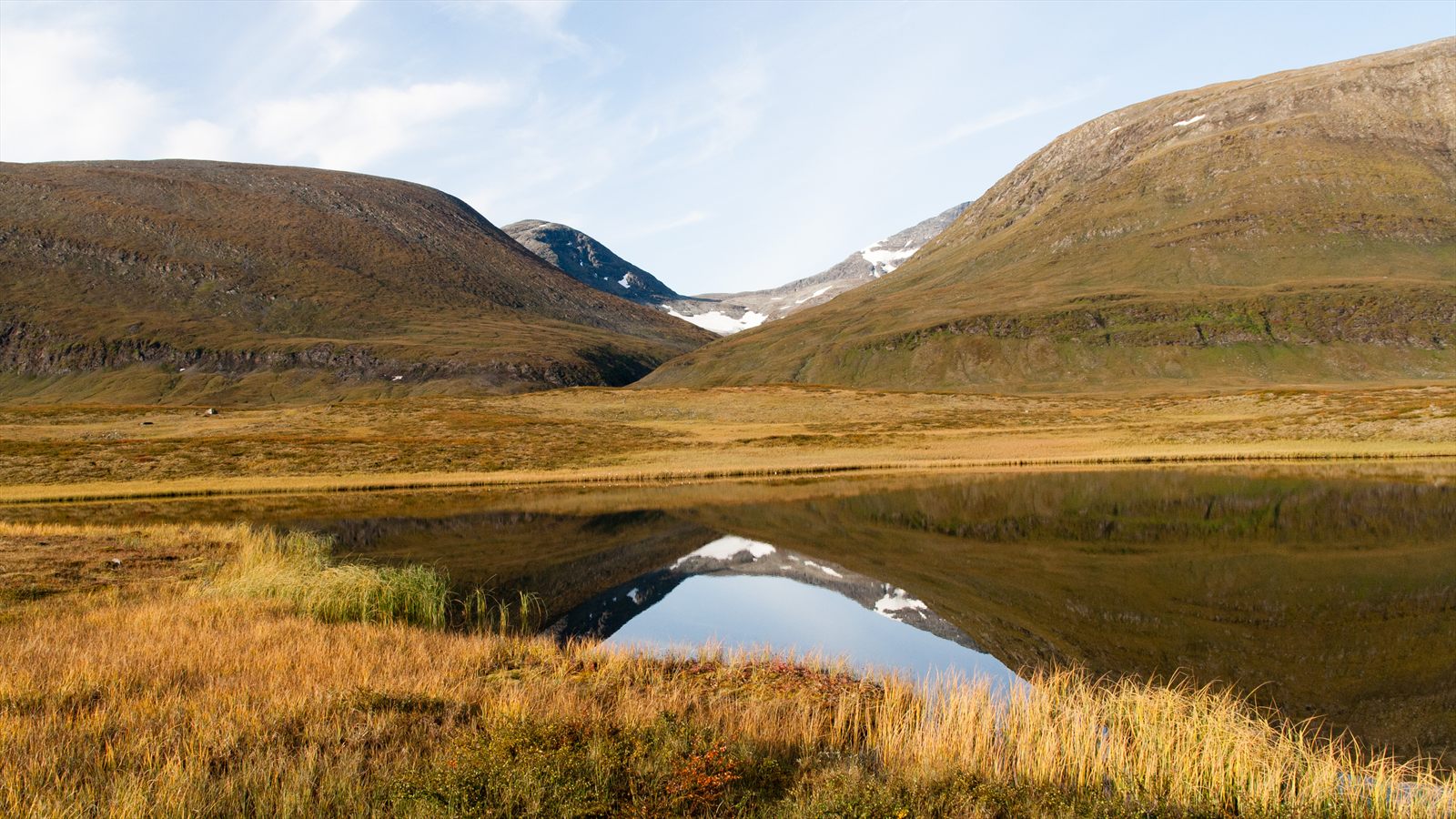
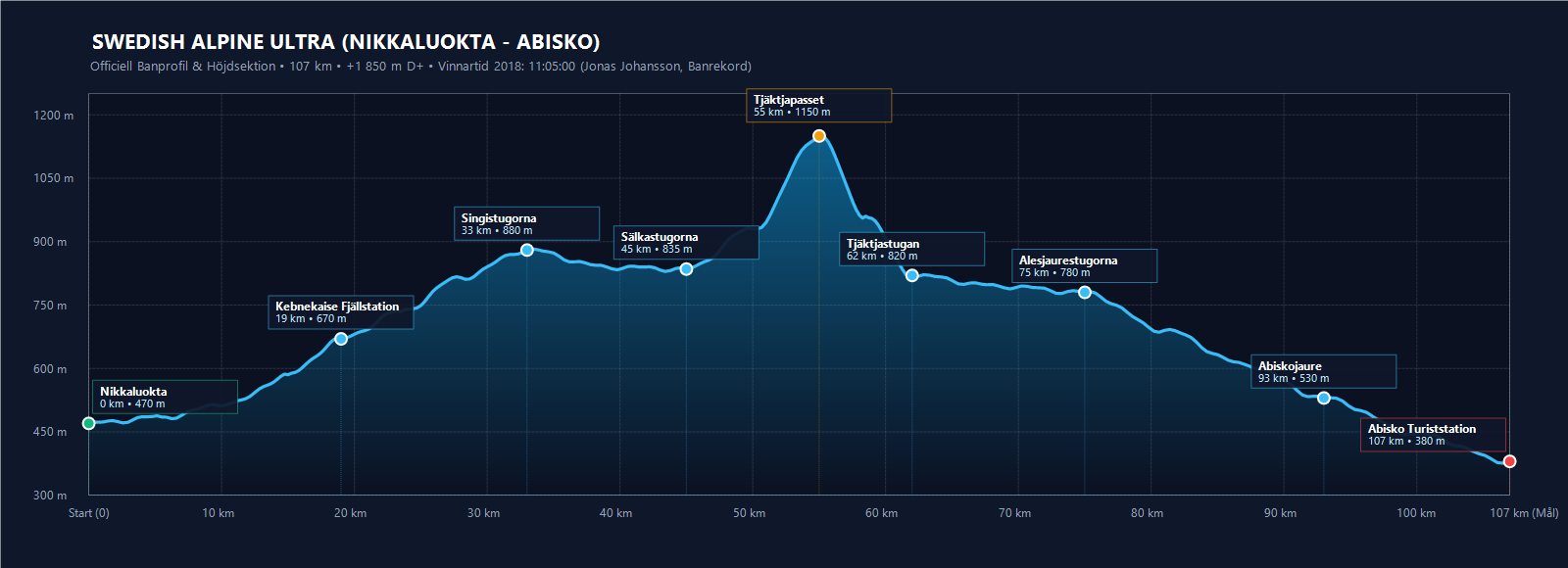
The fells were unusually parched. We couldn't spot a single patch of snow anywhere—not even on the high approach to Tjäktja Pass (1,150 m). That meant tackling the rocky summer route through the boulder fields, something I hadn't done since running the Fjällräven Classic over a decade earlier.
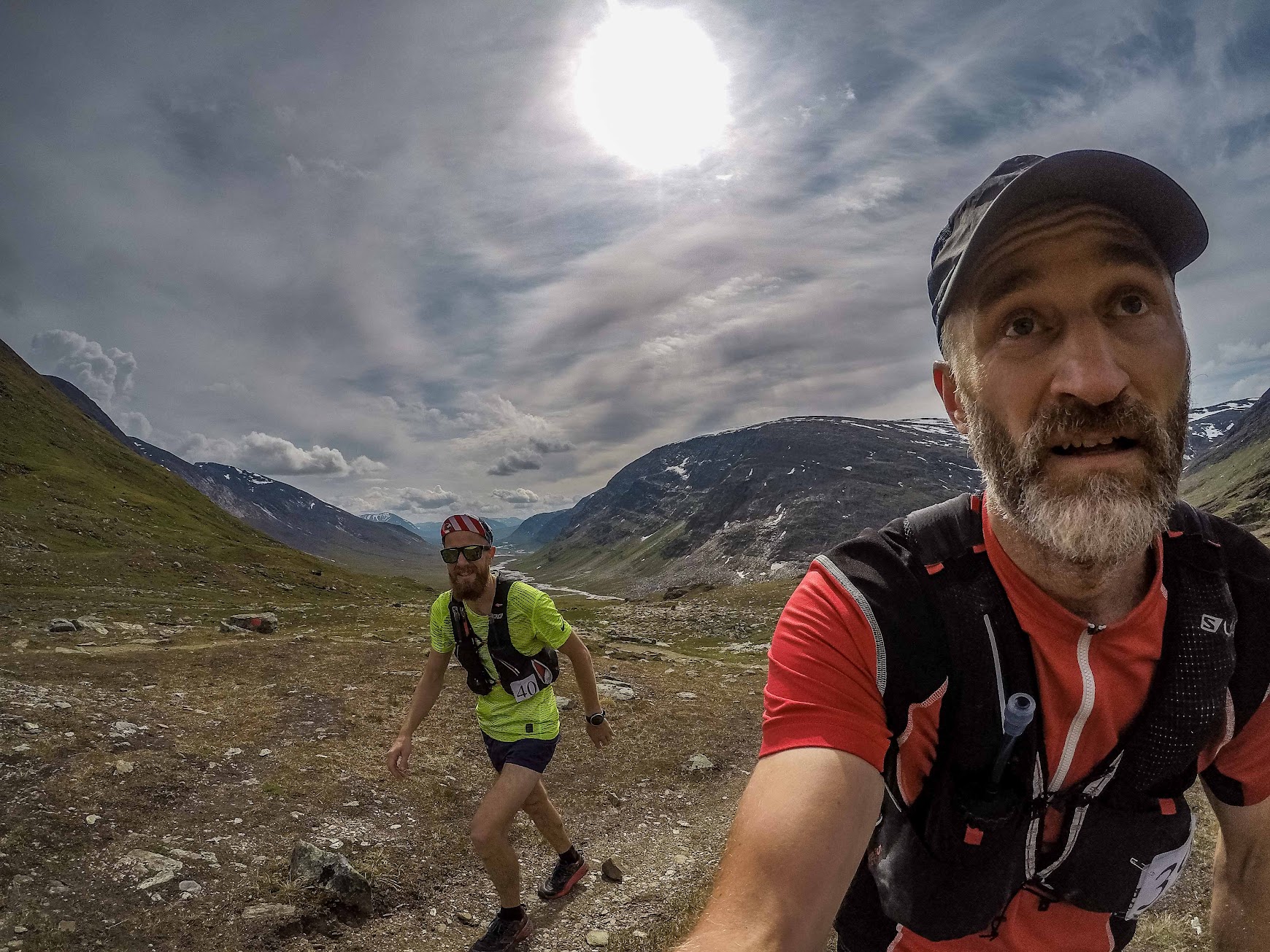
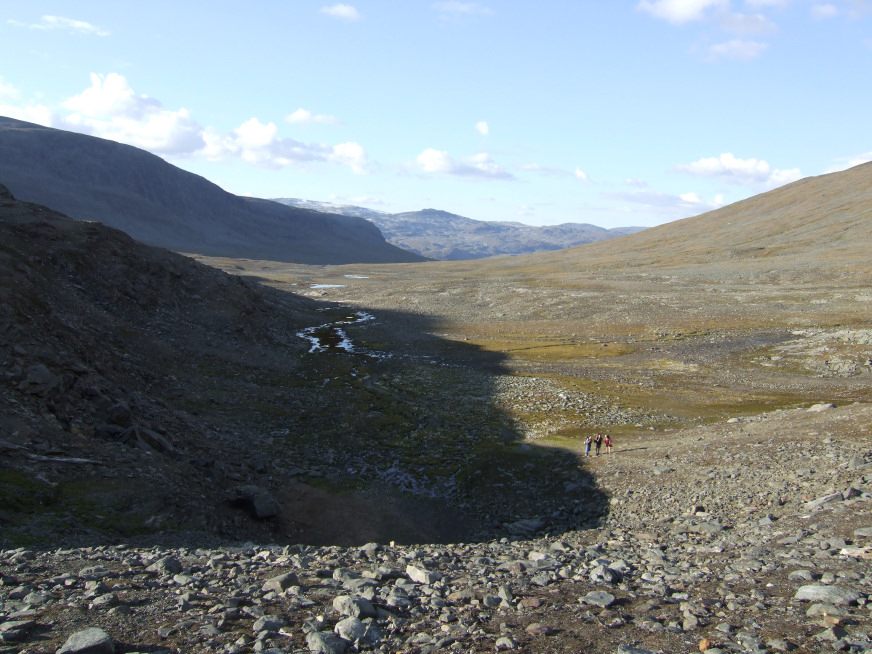
Nutrition was running like a dream; the tank remained consistently topped off. It wasn't until past Alesjaure that mental fatigue crept in and walking breaks began multiplying on the inclines. Normally this lakeside stage is my biggest mental battle, but today felt different: I felt at peace, knowing I had nothing left to prove on this historic route.
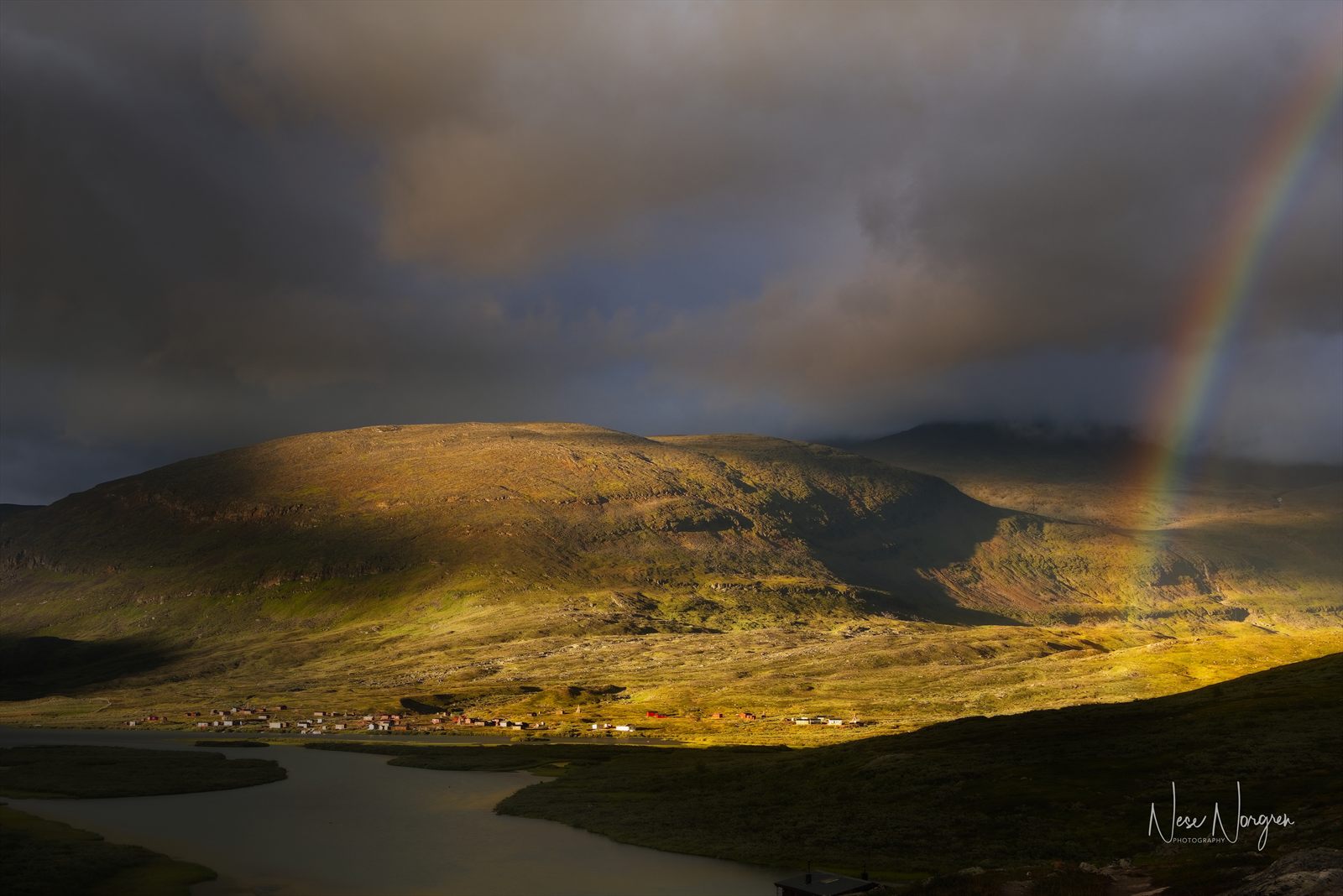
We had been hovering beneath a projected sub-11-hour finish for hours, but the buffer was evaporating. Descending through the cooler air toward Abiskojaure, we made one last concerted charge, but arrived 10–15 minutes behind the sub-11 schedule. Tobias was running on fumes, fighting dizziness. With 10 km to go, he told me to sprint ahead solo. I emptied whatever reserves remained in the tank.
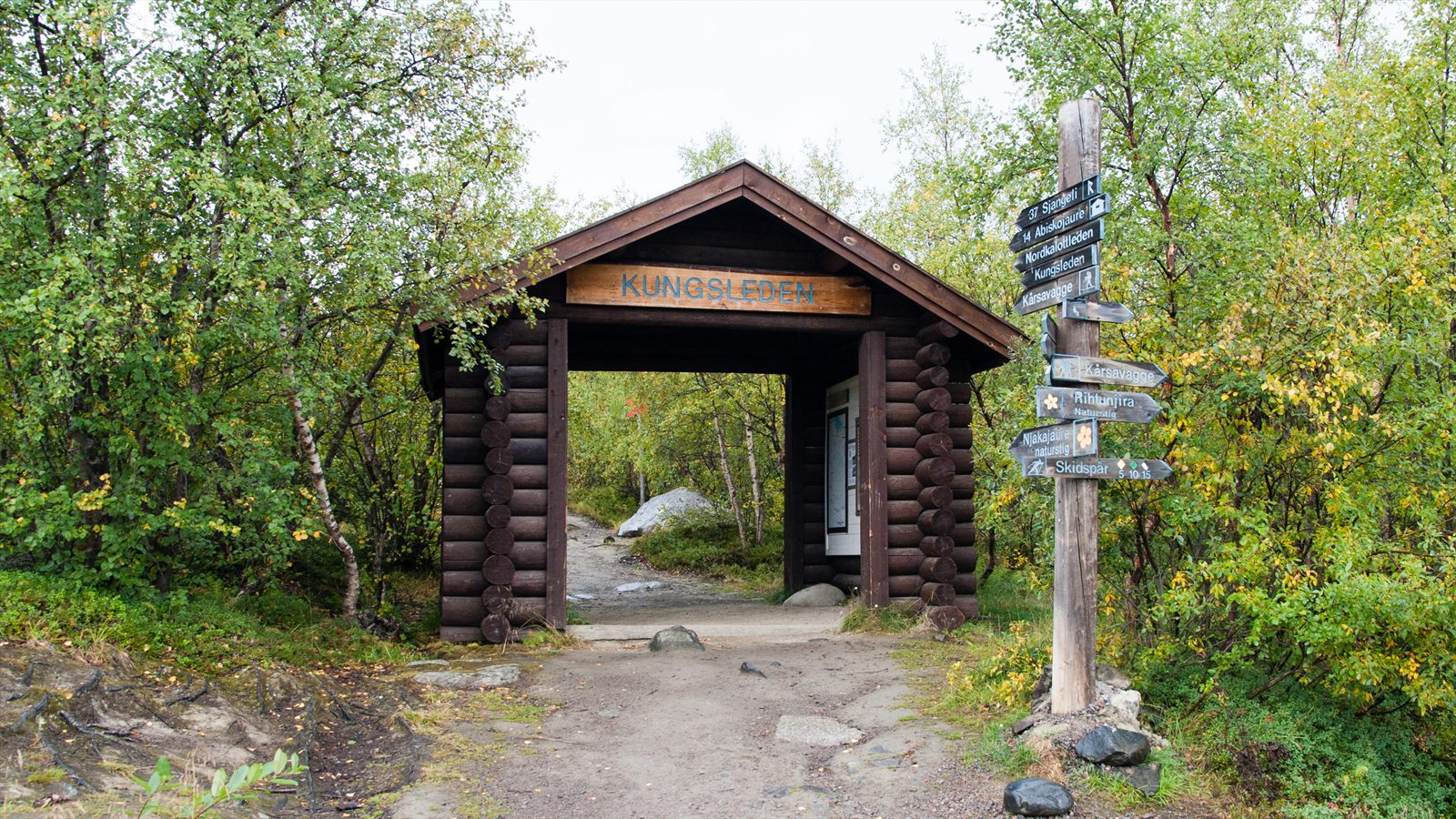
Reeling in a 15-minute deficit 100 kilometers into a fell race proved just too tall an order. The clock ticked past 19:00 (11 hours elapsed) moments before I hit the iconic Kungsleden wooden arch. I smiled: every single SAU finish of my life had landed in the 11-hour bracket: 11:57 in 2015, 11:52 in 2017, and now 11:05:00. More importantly: the even-year curse was dead and buried!
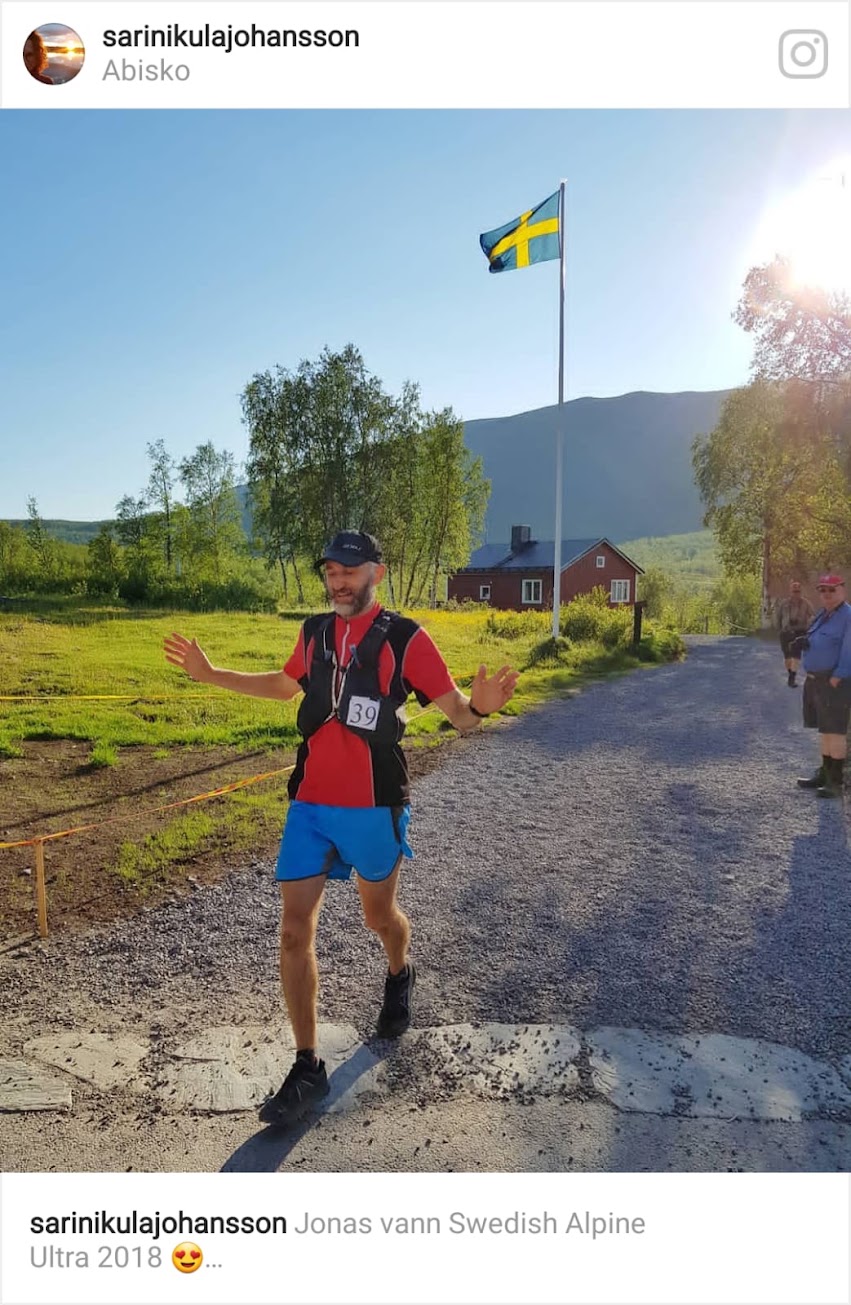
Could this be my final Swedish Alpine Ultra? The sense of completion has never been stronger. Across three finishes, I took three overall victories and set three consecutive course records—an achievement that stands as one of the proudest milestones of my entire running career.