At last, the moment had arrived: the singular race I had been chasing in the back of my mind for five solid years. I carried a razor-sharp target time in my head—punishingly ambitious, yet genuinely within reach. That target had been the driving vision through every sunny, glorious mountain session, as well as the freezing, rainy winter slogs. But my final months of preparation could hardly have gone worse.
In the weeks following Swedish Alpine Ultra 2018, a familiar post-ultra gremlin surfaced: an overuse strain in my right forefoot. I didn't stress over it; the plan was to take it easy for two weeks anyway before launching into my final peak block. But weeks drifted by without improvement. When I finally risked a longer training run, the engine felt completely sluggish. A few kilometers from home, gritting my teeth, something violently snapped in my left heel. Medical verdict: a partial tear in my left Achilles tendon, sidelining me for weeks.
With barely three weeks left before UTMB, panic set in. I pivoted to cross-training, but because I walk heavily in daily life, limping on my heel rapidly overloaded my right knee—triggering the exact same excruciating patellar pain that had plagued my entire 2017 season.
One week out, hope had almost evaporated. Arriving in Chamonix for race week, uphill hiking went reasonably well, but walking downhill was impossible without taking the cable car down to save the joint. Two days before the race, I had to use trekking poles just to walk to bib pick-up. I pleaded with race officials to roll my entry over to 2019, but got nowhere: it was toe the line now, or forfeit five years of qualifying points and wait another three years in the lottery. With no choice left, I laced up my shoes and stepped into the corral alongside my brother Tobias on Friday afternoon at 17:00.
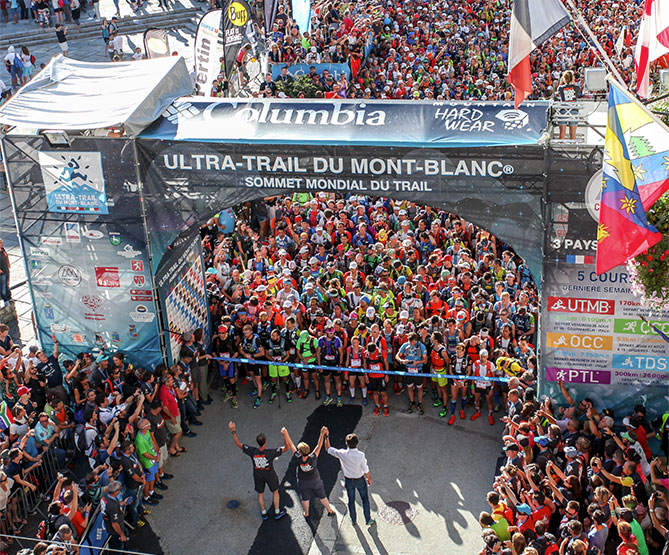
When the gun fired, the roar from the spectators echoing off the granite facades was deafening. It felt less like an obscure sport like ultrarunning and more like walking out onto the pitch of a World Cup soccer final. The pack surged down the narrow pedestrian streets, running shoulder-to-shoulder with arms outstretched to prevent tumbling over fallen runners. Near the edge of town, I spotted my family in the sea of faces, waved my poles wildly, caught their eyes for two seconds, and vanished into the herd.
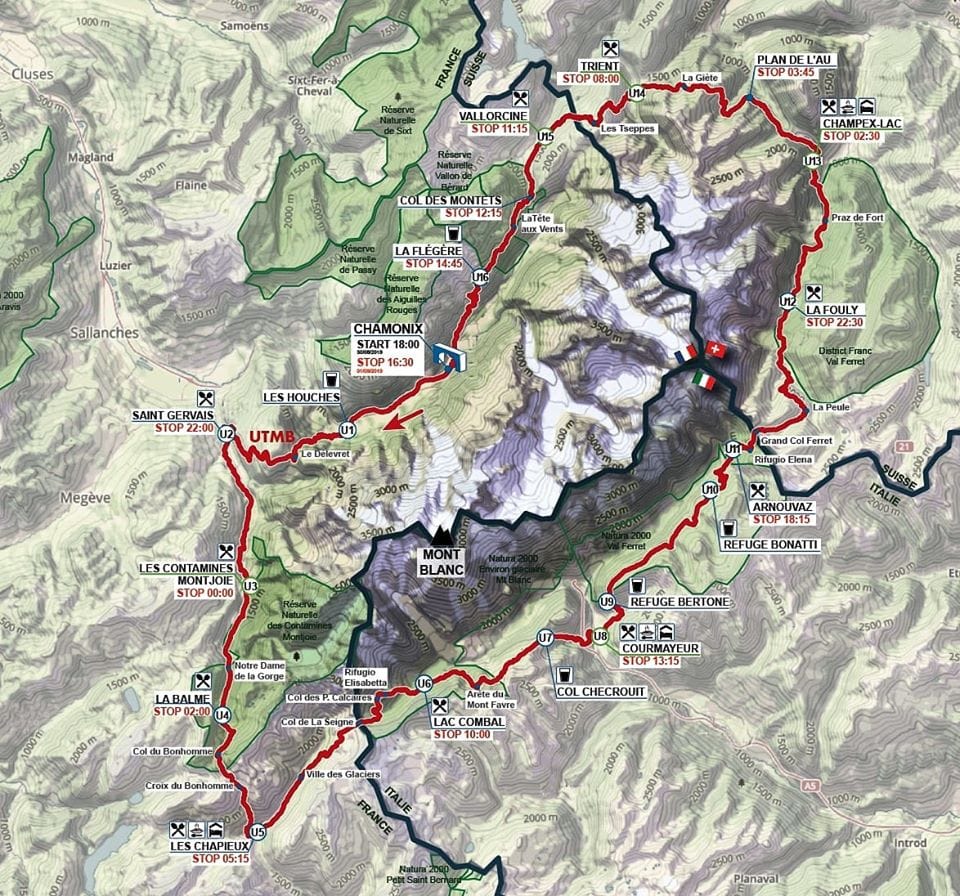
The opening miles down to Les Houches are relatively flat and deceptively fast. I ran with Tobias, actively restraining my pace. Even here, my right knee fired warning shots on every gentle decline. My mindset narrowed down to pure survival: make it to Les Houches, drop out, and take the train home.
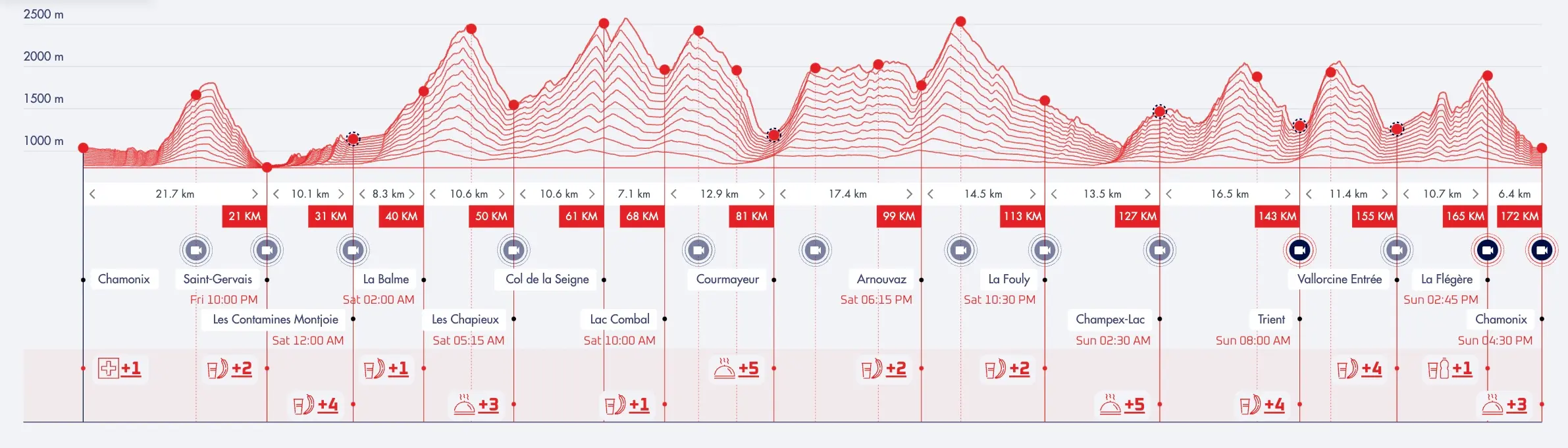
Crossing Les Houches, the first major climb began: 800 vertical meters up a steep gravel forest road toward Le Delevret. The legs felt unexpectedly fluid. I crested the ridge alongside American star Kaci Lickteig and French champion Caroline Chaverot, realizing I was running among the women's world elite. But the moment the trail plummeted down a black diamond ski slope—dropping 1,000 meters into Saint-Gervais—the knee flared violently. I was reduced to a hitching limp, loading all my weight onto the left leg. Tobias bounded ahead and disappeared over the crest. I vowed to take the DNF at Saint-Gervais.
Hitting Saint-Gervais at dusk, headlamps clicked on. The sharp downhill pain subsided the moment the trail flattened out, and leaving the aid station, the gradient banked gently uphill toward Les Contamines. The gentle climb gave my knee instant relief. I ran every flat and false-flat stretch, hoping to catch Tobias. Rain began to fall steadily, heralding a cold, stormy night—conditions that historically play right into my hands.
Just past Les Contamines, I recognized a familiar stride ahead: Tobias was struggling through severe stomach cramps. We ran together briefly, but knowing I couldn't afford to linger in a slow pack on the descents, I pushed ahead solo. Beyond La Balme (km 40), I crossed into uncharted territory where I had never set foot before.
After a relentless 2,000-meter climb out of Saint-Gervais, the trail plunged toward Les Chapieux down a technical, greasy singletrack. Running heavily on my forefoot in soaked shoes, my insoles began creeping forward with every plant. Within a couple of kilometers, both insoles had bunched into tight, agonizing rolls crammed beneath my toes. Without hesitating, I ripped both insoles out of my shoes and threw them away, continuing directly on the footbeds. Miraculously, I developed zero blisters; if anything, the extra volume gave my swollen feet room to breathe.
Down at the Les Chapieux checkpoint, race officials conducted mandatory gear checks. Once cleared, I tackled the long climb up Col de la Seigne (2,516 m) on the Italian border. We crested around 2:00 AM into freezing rain and dense fog. Because of the foul weather, race directors rerouted the course away from the high alpine Pyramides Calcaires, shunting us directly toward Lac Combal.
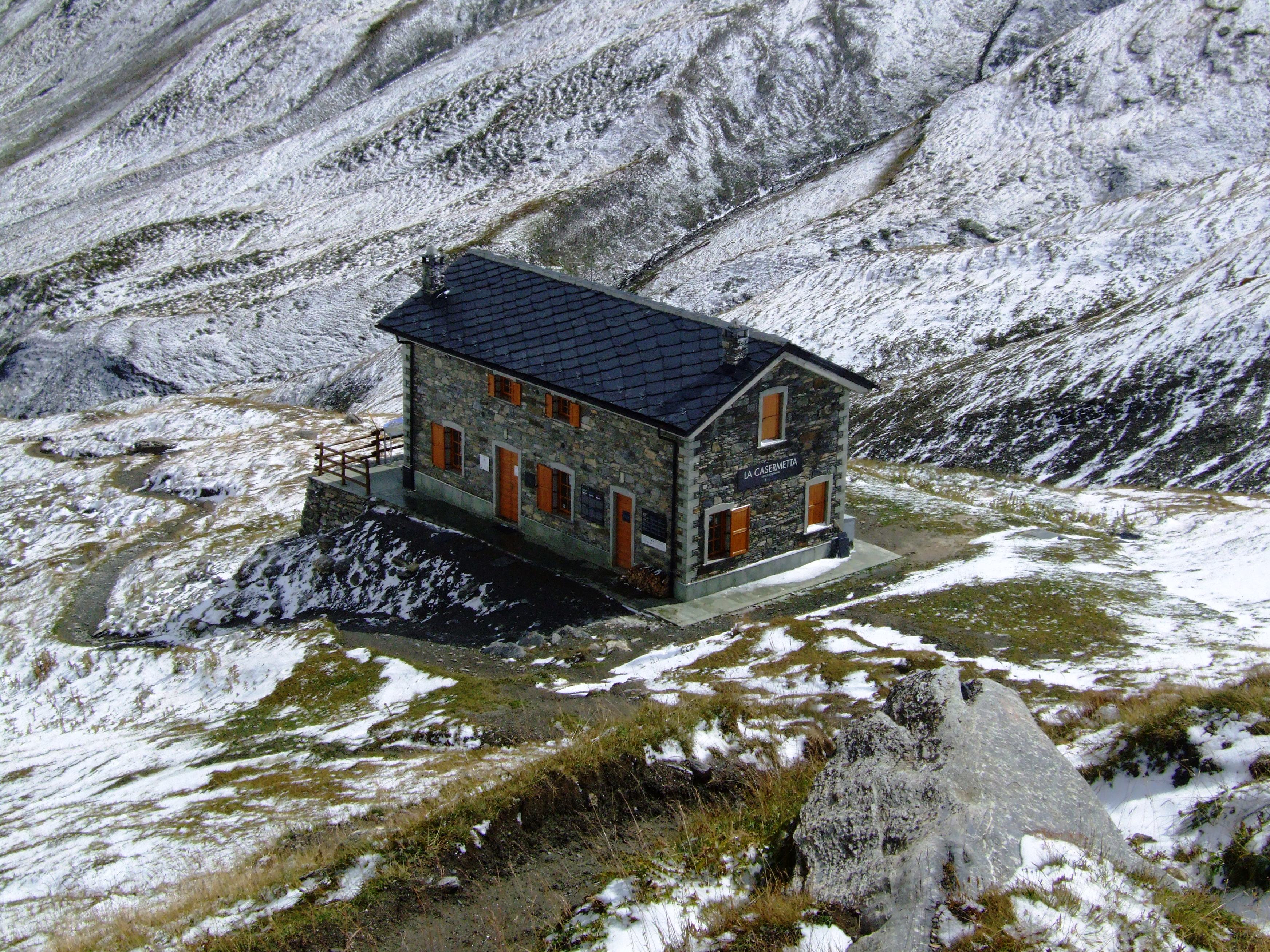
Hitting Courmayeur (78 km) after a long descent, I collected my drop bag, sat down on a wooden bench, and overhauled my kit. That was the pivotal turning point of the race: the realization that this battered body was actually going to make it all the way. After a disciplined 20-minute transition, I strode out into the dawn with renewed fire.
Climbing toward Refugio Bertone as the golden alpine sun rose over the Mont Blanc massif, I heard a cheery shout: “G'day mate, how's it going?” It was Andrew Hough, a fantastic Kiwi ultrarunner living in Australia. Having a companion to banter with after twelve solitary hours in the dark was an incredible morale boost.
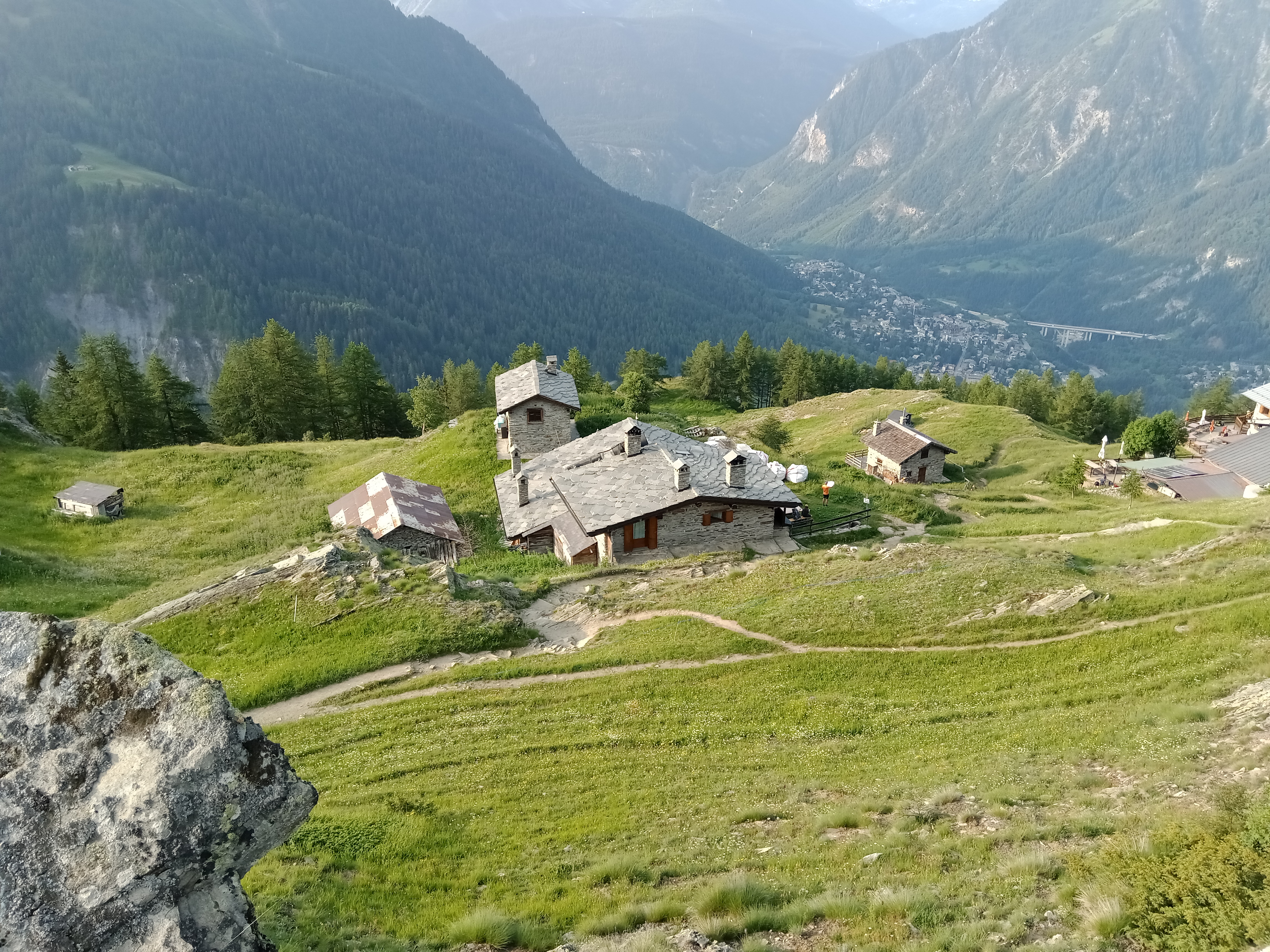
Andrew and I traded pulls past Refuge Bonatti and Arnouvaz before tackling the queen alpine pass: Grand Col Ferret (2,537 m). Above 2,200 meters, thin air starved my legs of power. I let Andrew pull ahead, taking it one metronomic step at a time. The summit pass was pure mountain tempest: howling gale, freezing rain, and zero visibility. We dropped off the crest into Switzerland as fast as possible.
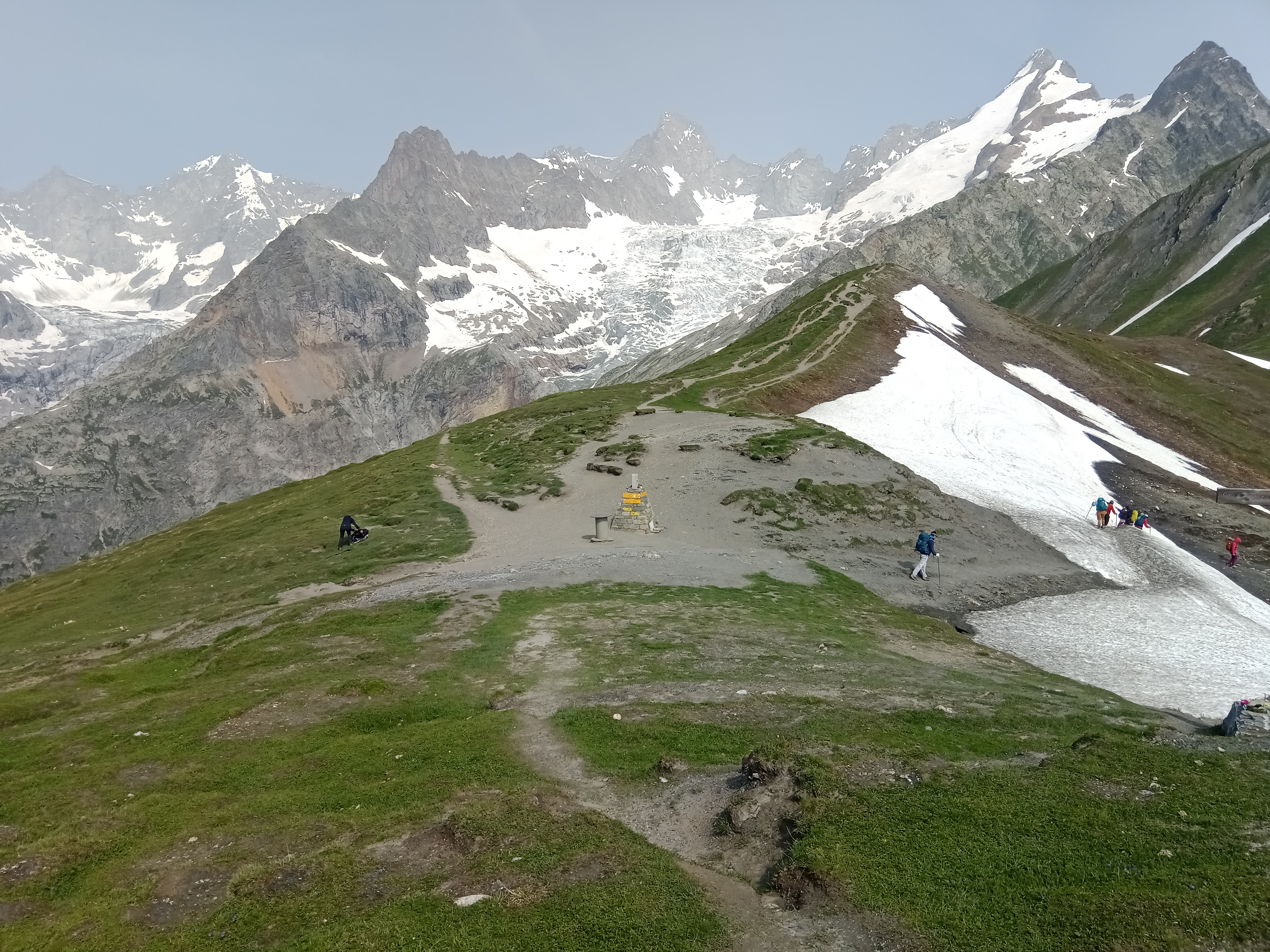
Ahead lay a punishing 1,700-meter descent down to La Fouly on hardpack gravel and asphalt—absolute agony for my knee. Grinding through, I was delighted to find Andrew waiting at the La Fouly checkpoint. We teamed up once again through the valley before beginning the grinding climb up to Champex-Lac.
At Champex-Lac, Andrew took extra rest to eat while I executed a rapid bottle refill. Checking the live leaderboard screen, I was stunned to see Xavier Thévenard sitting at the top. I asked a race marshal where race favorite Jim Walmsley was; he pointed right behind me: “He's right behind you.” Sure enough, Walmsley was sitting slumped on a bench, staring blankly at the floor while his crew buzzed around him in panic trying to revive his shattered race.
Climbing out of Champex-Lac toward La Giète, a brutal physical low hit me like a sledgehammer. My vision swam and forward progress slowed to a crawl. Disappointed in myself, I told Andrew to surge ahead solo. But cresting the col and beginning the descent into Trient, a switch flipped: energy flooded back into my veins. I bombed down the switchbacks, and entering the Trient station to the announcer calling my name, there was Andrew once again!
We attacked the brutal wall of Catogne together. Halfway up, Andrew's breathing grew labored with an elevated heart rate. As we crested and charged down the gravel toward Vallorcine, a trailing runner flew past us at breakneck speed, only to catch a rock fifty meters ahead and somersault violently headfirst down the embankment. We rushed to him; he was bleeding heavily from his face, but waved us off, refusing to quit.
Rolling into Vallorcine, officials announced we were hovering around 55th place overall. Andrew was breathing heavily and told me to drop the hammer: “Go hunt down the Top 50, mate!” I set off up the final mountain barrier: the rerouted climb toward La Flégère via Tré-le-Champ.
I attacked the mountain like the race had just started, picking off three runners immediately. But in the gathering gloom, markings grew scarce on a rugged, unfamiliar detour. Scrambling down a boulder shelf, my foot slipped and landed awkwardly; a blinding surge of heat shot through the arch of my foot. Licking my wounds, I was convinced a bone had fractured. Despair set in—until I heard the rhythmic click-clack of carbon poles ahead. I hobbled toward the sound, burst out of the trees, and saw the lights of La Flégère with three Spanish runners in my sights.
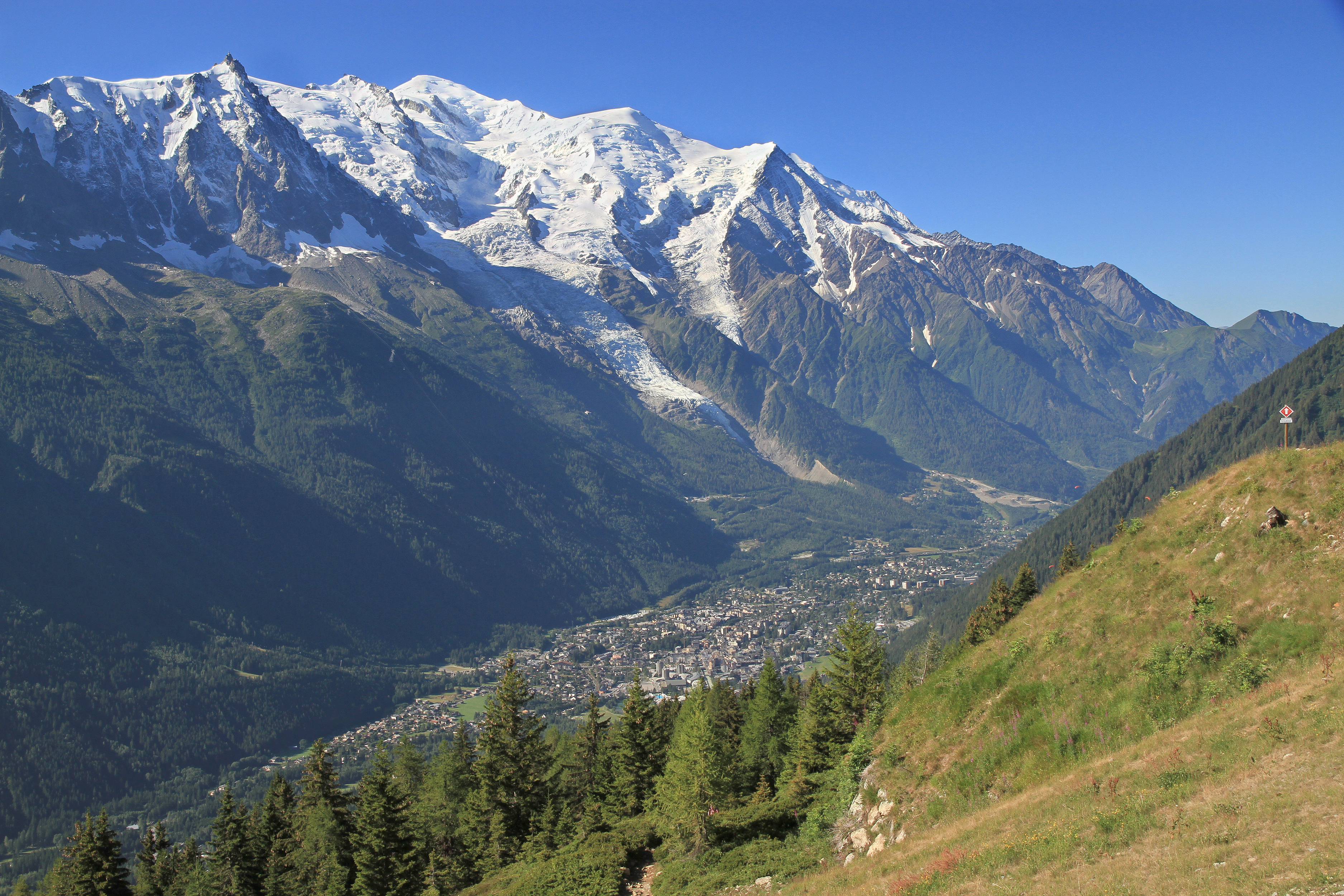
I blew right through La Flégère without stopping. Every step down the final 8 kilometers sent electric shocks through my injured foot, but there was no holding back now. Hearing the roar of the crowds echoing from the valley floor below, I let gravity do the work. With 500 meters to go, I rounded the corner onto Chamonix's main avenue. Thousands of spectators lined the barricades, cheering wildly. Right at the entrance to the finish straight, my kids sprinted out from the crowd and grabbed my hands. We crossed the line together as the announcer bellowed: Jonas Johansson closes out the Top 50 of UTMB 2018 in 27 hours, 12 minutes, and 29 seconds!
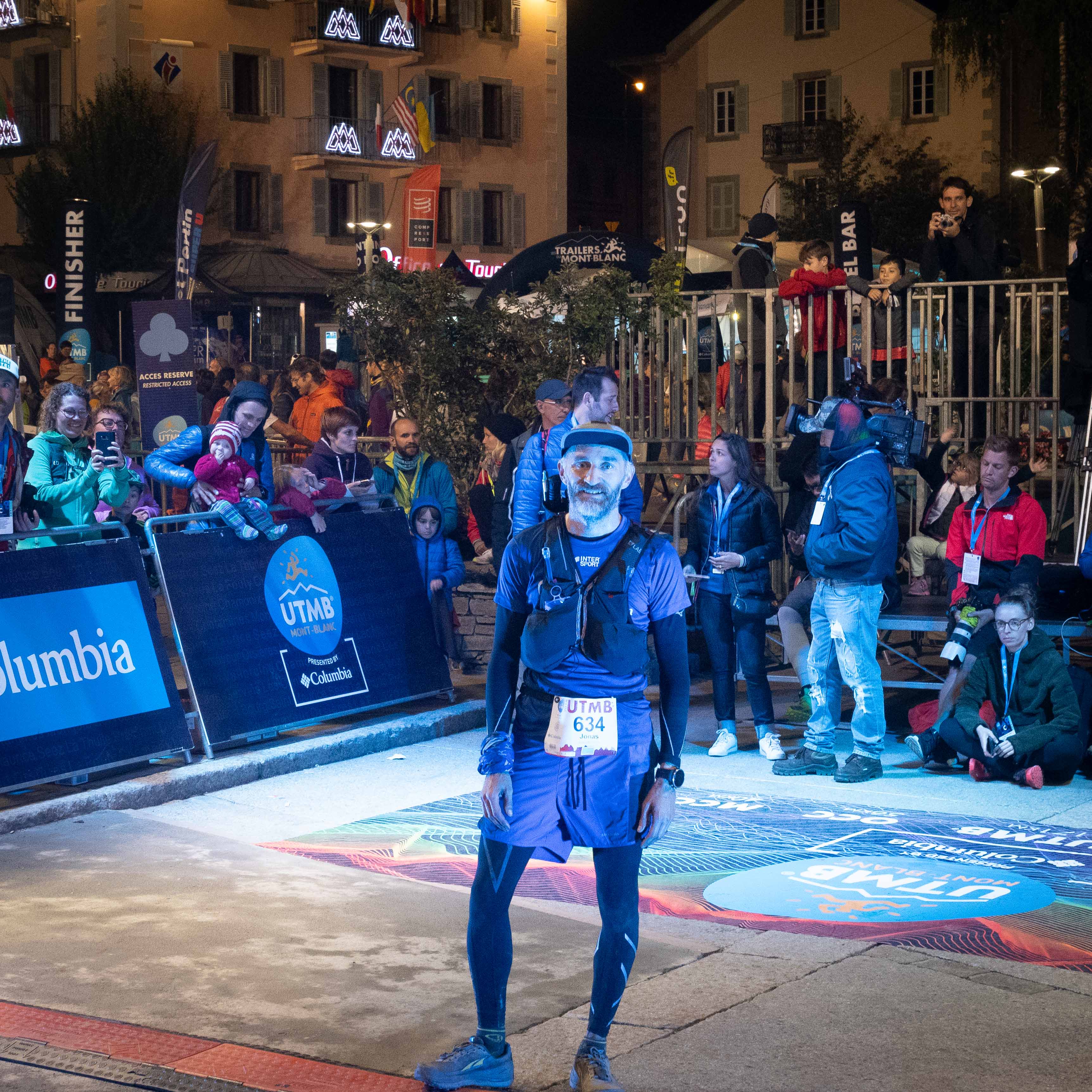
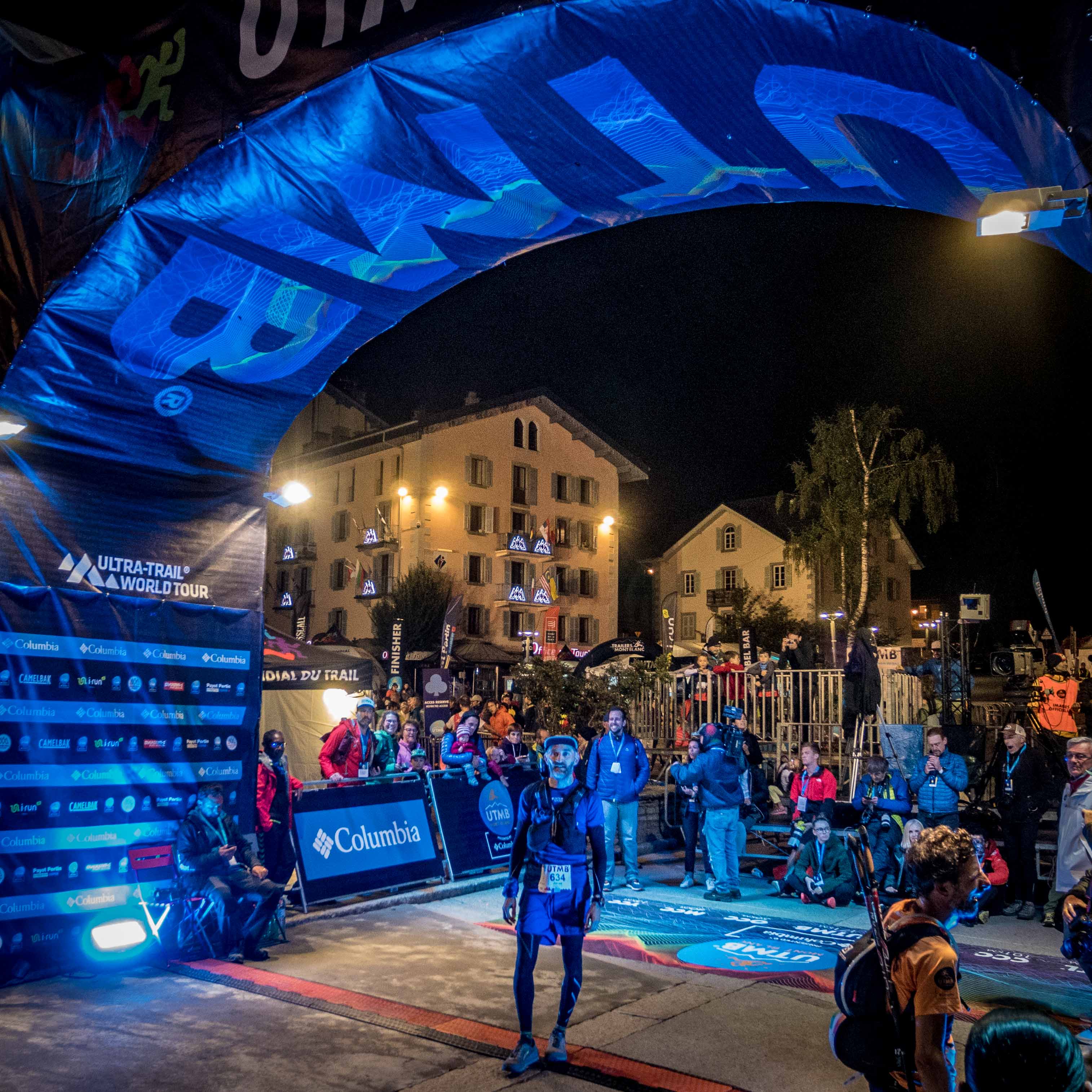
Crossing that line was a moment of immense pride. To finish 50th in the undisputed world championship of mountain ultrarunning—after starting with an Achilles tear, a raging knee issue, and running without shoe insoles—surpassed anything I could have hoped for. The mountain ultra dream was realized.