From Skepticism to Lining Up for 100 Miles
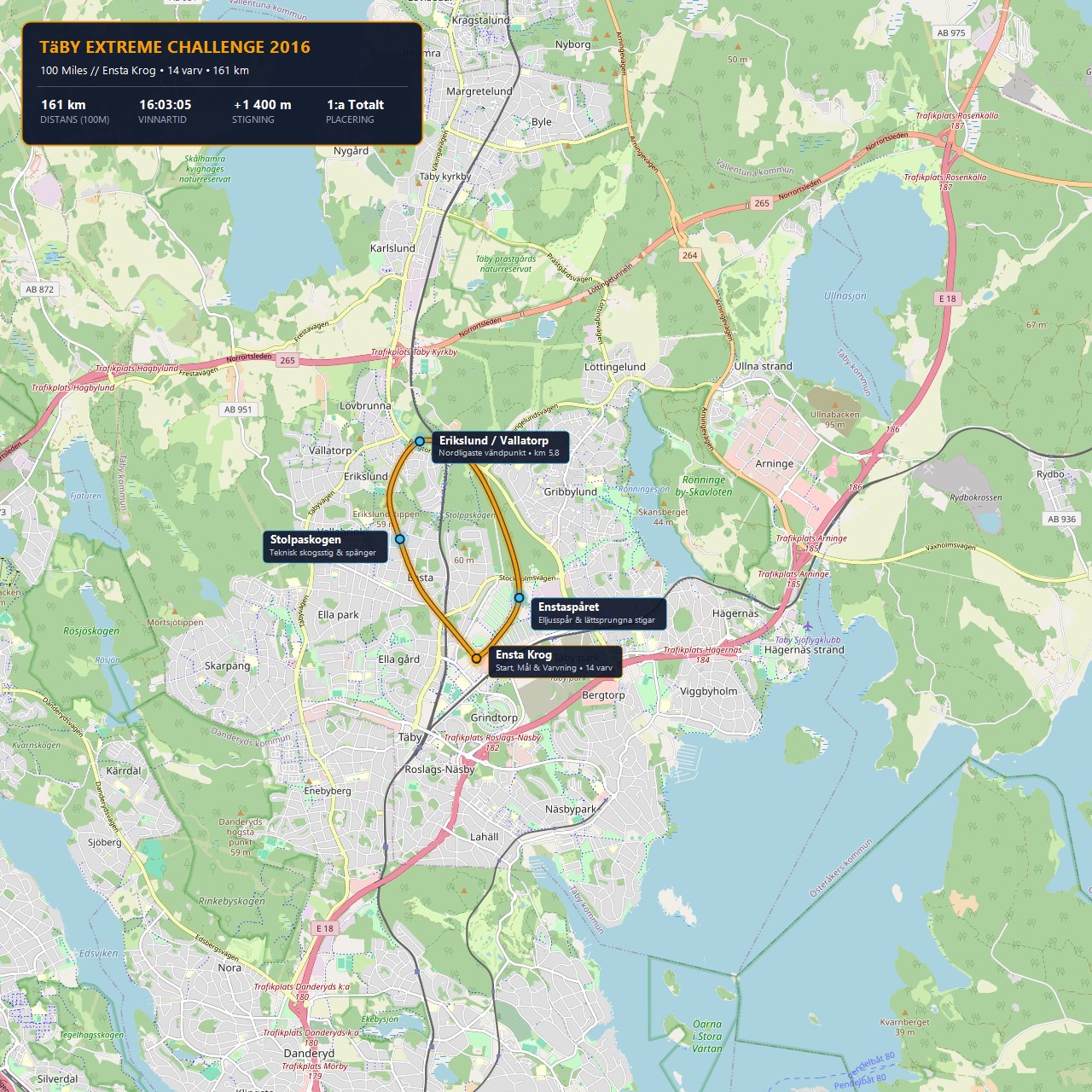
Täby Extreme Challenge (TEC) covers the classic 100-mile ultra distance—approximately 161 km—starting and finishing at Ensta Krog in Täby north of Stockholm, tackling 14 laps of an 11.5 km loop. Historically, this was never a race that particularly appealed to me: it's a repetitive looped course, relatively flat, with none of the dramatic mountain vistas I crave. I consider myself an adventure and wilderness runner who thrives best in harsh, alpine environments. My main motivations for signing up were pragmatic: locking down valuable points for the UTMB lottery and securing an official Western States 100 qualifier—two bucket-list races I was determined to run.
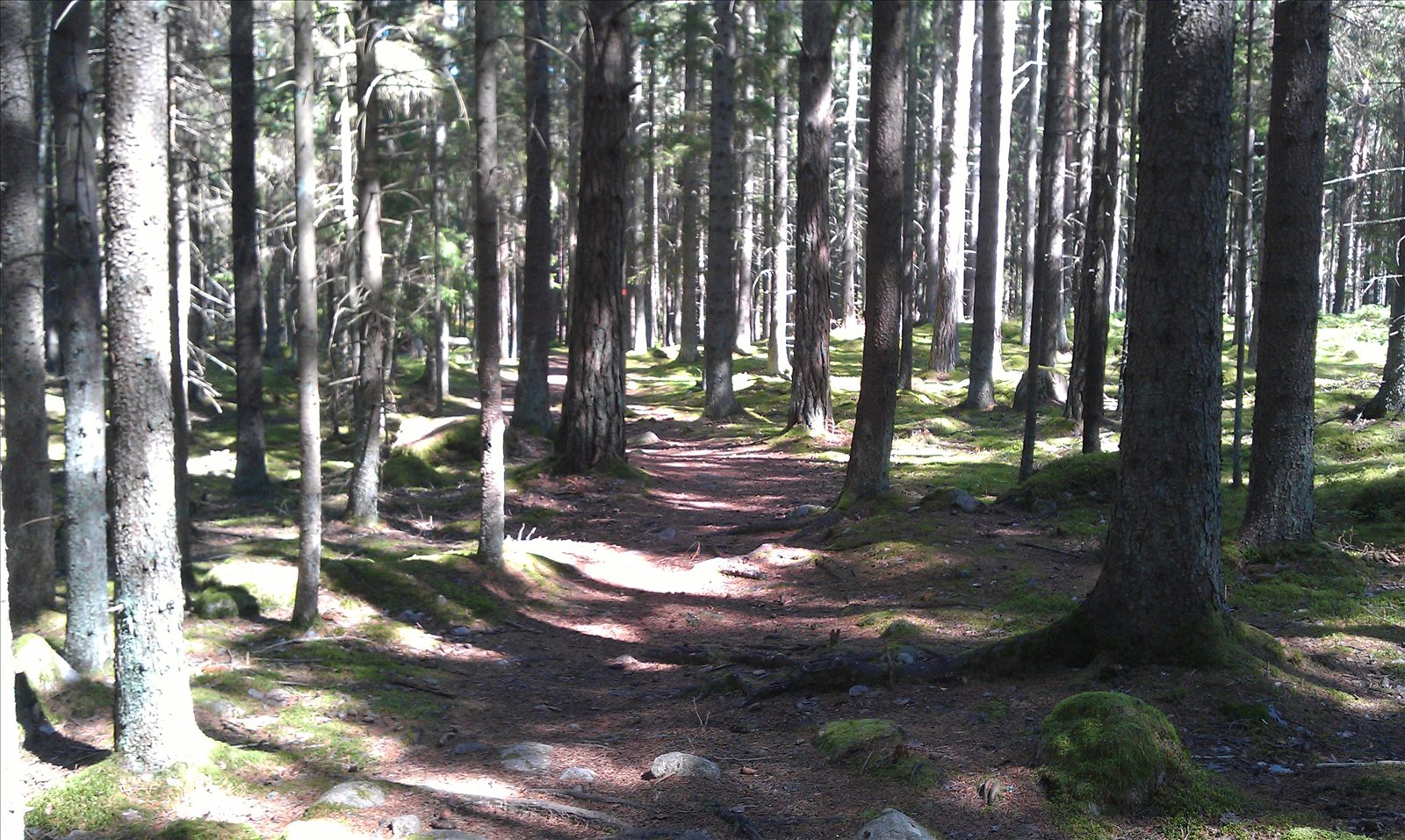
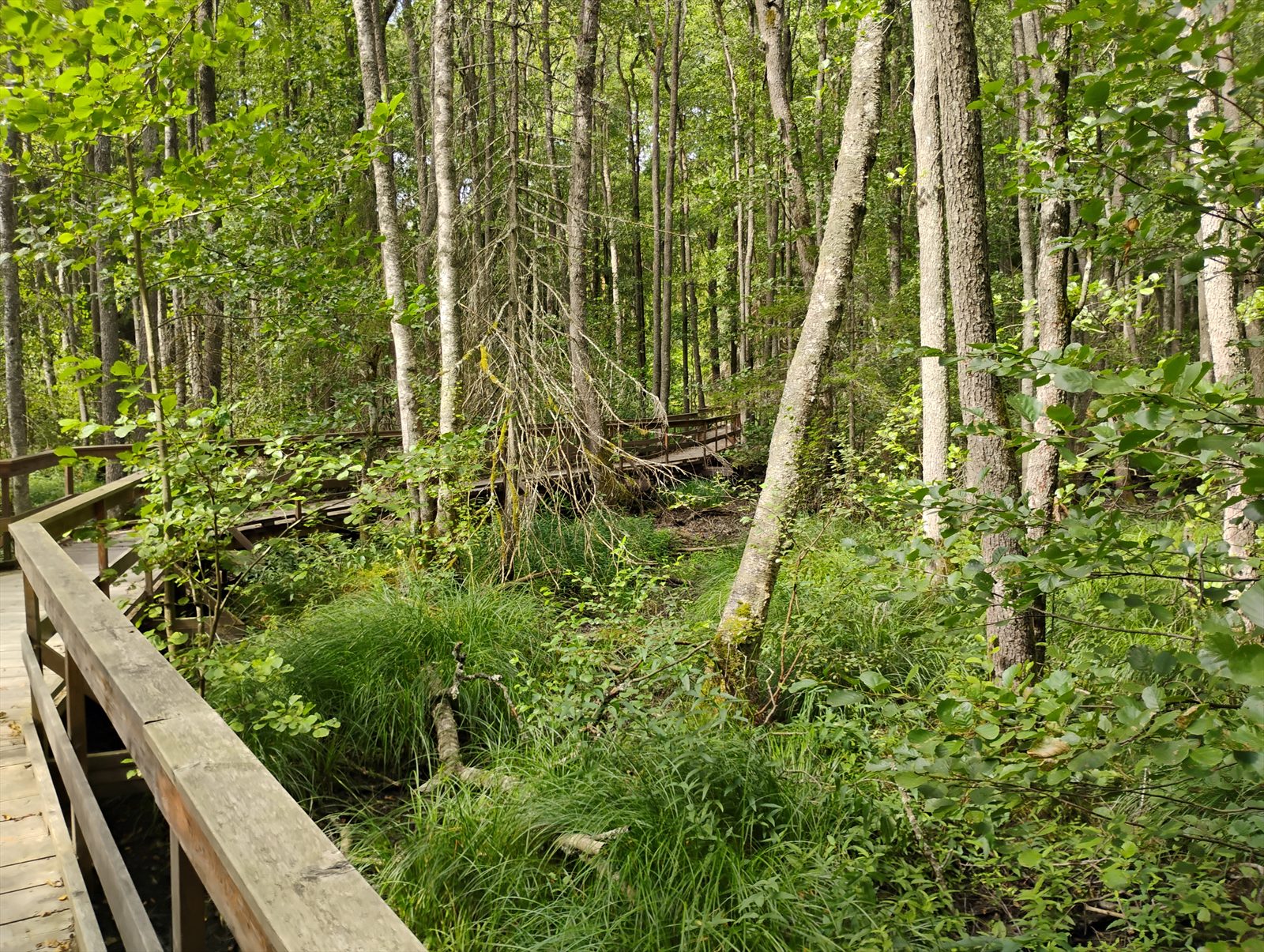
To scout the course, I ran out in Täby on two spring weekends: two laps (23 km) on the first visit, four laps (46 km) on the second. Across those six recon loops, I didn't manage to follow the exact correct route a single time (though I came close on loop six!). However, the terrain was far more enjoyable than I had envisioned. Aside from a few short paved crossings, the loop featured genuine singletrack, rolling gravel paths, and fun technical forest trails. It was neither as flat nor as monotonous as I had feared.
My final week at work before race day was brutally hectic, leaving little room for proper mental prep. Packing and logistics were cobbled together late the night before, and as usual before a massive ultra, sleep was far from restorative. Setting a target split was tricky: I had no benchmark for how my body would handle 100 continuous miles on flat, relentless terrain without big climbs to force hiking breaks.
The Gun at Ensta Krog and an Aggressive Opening Pace
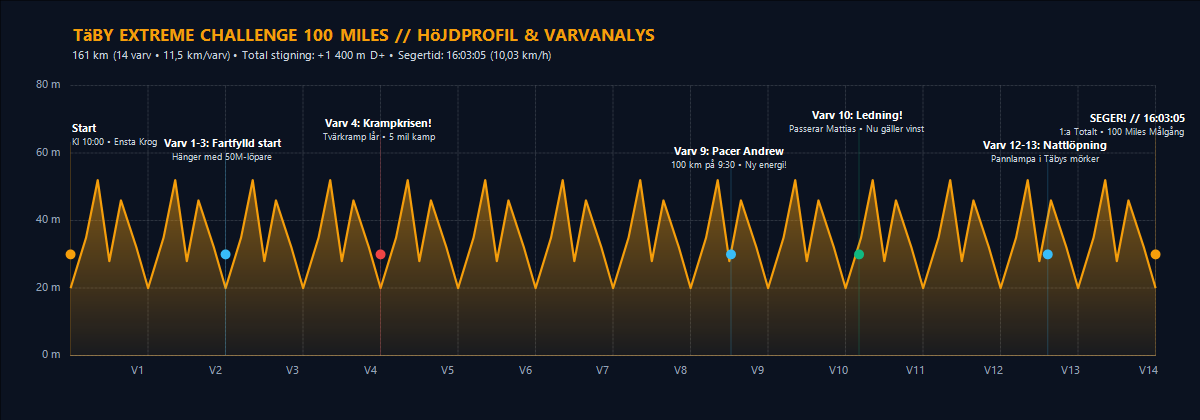
Toe-ing the line at Ensta Krog, the gun fired and the pack surged into the trees. I slotted near the front from the start to find clean running space. After just one kilometer, two runners settled in ahead at what felt like a smooth, effortless tempo, and I latched onto them for most of the opening lap. On lap two, running in a small group of three, one runner turned and asked: "Why are you running with us? We're racing the 50-miler!"
That was my wake-up call: I was moving way too fast. Even though the pace felt easy, 100 miles on flat ground is unforgiving. I tried to dial back the throttle, but somehow drifted right back to the same pace. By lap three, the loops were already blurring together. Midway through lap three, I bumped into Sten, who was putting on a masterclass in the 200-mile race that had kicked off the previous day. He was moving with metronomic consistency, and it was already clear he would cruise to the 200-mile victory.
The Cramp Crisis: 50 Kilometers in the Hurt Locker
Right on cue, at the start of lap four, the bill came due. Coming off a sharp little downhill, both of my quadriceps seized violently in rock-solid cramps. I ground to a complete halt; even walking was agonizing. I dumped salt tablets down my throat and downed water. After several minutes, the spasms eased enough to shuffle forward, but my quads twitched on the razor's edge, locking up every two to three kilometers. The fast early pace had backfired spectacularly.
By lap seven, the pain was so intense I started actively bargaining with myself about dropping down to the 50-mile finish. Continuing for another 80 kilometers felt completely impossible. That full cramp crisis dragged on for nearly 50 kilometers (31 miles!). My legs were entirely wrecked, throbbing with an absurd, deep muscular ache that extinguished any hope of rebuilding speed. That deep quad trauma would linger for nearly two weeks post-race.
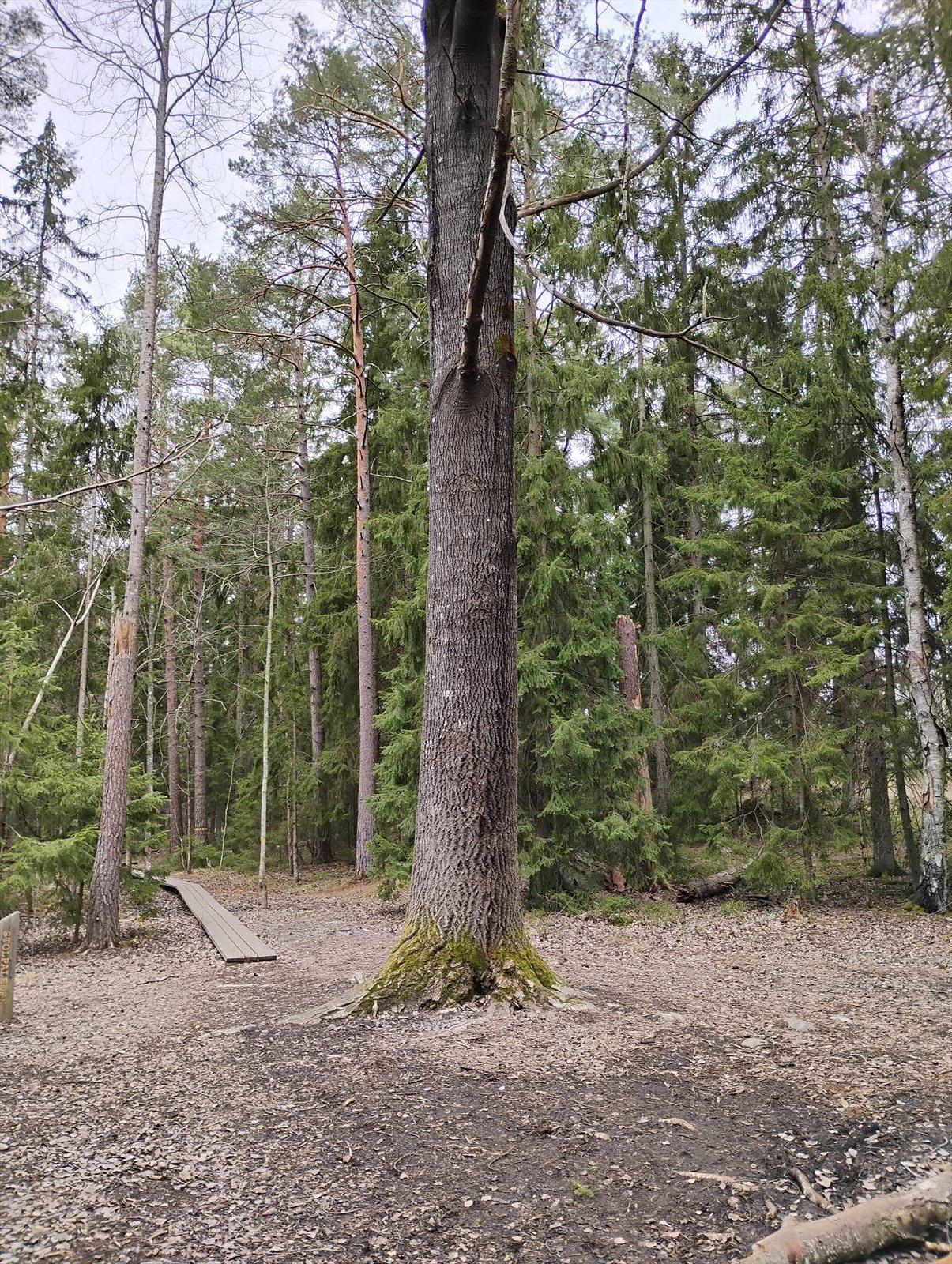
Near the close of lap eight, things finally stabilized. I was eager for company: Andrew and Carl-Johan were waiting to jump in as my pacers for the second half. Up to that point, I had run strictly in my own bubble, ignoring where anyone else was on course despite hearing conflicting sideline reports that I was anywhere from 1st to 5th.
Pacers to the Rescue: Hunting Down the Lead
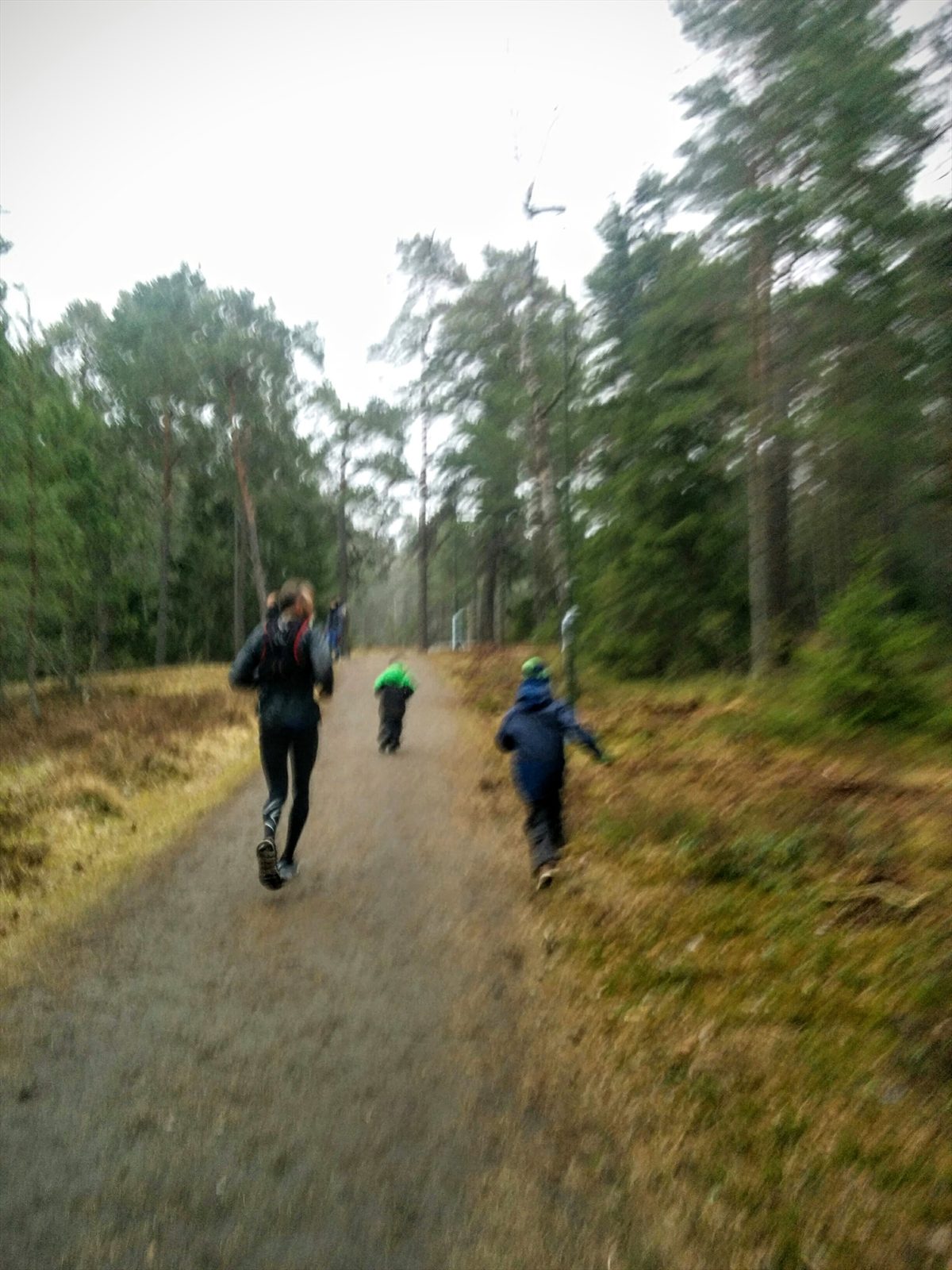
Rolling out onto lap nine, I cracked the 100 km mark in 9 hours and 30 minutes, which meant Andrew could officially jump in as my first pacer. Right there, the race dynamic flipped: my crew informed me I was sitting in second place—where I had quietly been all day—and that I was steadily reeling in Mattias, who had led from the gun. The fog in my head cleared instantly. Game on.
Before TEC, I had been skeptical about what a pacer could realistically offer—they can't carry your gear, let alone carry you. But having fresh legs alongside (especially rotating between two runners) was an absolute game-changer, particularly on a looped course where scenery grows stale after lap three. Andrew acted as an external brain: managing my fuel and hydration schedules, calculating split projections, offering relentless encouragement, and listening to my existential trail ramblings in the dark woods.
Taking the Lead in the Dark: The Final Stretch
Heading out onto lap ten, Mattias was still seated in the transition area, nursing deep fatigue. For the first time all day, I held the race lead. I told Andrew: "We are winning this race."
Our strategy wasn't about accelerating; it was the exact opposite: moving as steadily and economically as possible without letting anyone behind close the gap. My body was battered, but the dark mental storm of laps four through eight had passed. Now it was just about mechanical persistence.
The trickiest element was navigating the technical root-strewn singletrack in the dark on tired legs. I averaged about one wipeout per lap, each time picking myself up from the pine needles grateful that no bones were broken before continuing to jog.
Beginning the 14th and final lap, with a commanding lead in hand, my body finally began powering down. The tiny rollers suddenly felt like alpine passes. But rounding the home bend at Ensta Krog for the final time was pure exhilaration. I crossed the line with a wide grin and a roar of relief: 16 hours, 3 minutes, and 5 seconds. My 100-mile debut was in the books, and I was the champion.
Victory and Lap Analysis from my 100-Mile Debut
People often ask if you really run the entire time or stop to rest. Across 16 hours of racing, my GPS recorded a total of just 14 minutes of stationary time—purely quick bottle refills and grabbing food at the transition zone. Below is my lap-by-lap breakdown. The aggressive opening pace was a hard-earned lesson that I will carry into every future 100-miler.
| Phase / Laps | Distance | Elapsed Time | Status & Highlights |
|---|---|---|---|
| Laps 1–3 | 0–34.5 km | ~3h 10m | Drafting 50M runners, overly ambitious opening pace. |
| Laps 4–7 | 34.5–80.5 km | ~7h 45m | Severe bilateral quad cramps, near DNF, 50 km survival struggle. |
| Laps 8–9 | 80.5–103.5 km | 9h 30m | 100 km split at 9:30, pacer Andrew joins, hunting down the race leader. |
| Laps 10–13 | 103.5–149.5 km | ~14h 45m | Taking the lead, night running with headlamp and handoff to Carl-Johan. |
| Lap 14 (Finish) | 161 km | 16:03:05 | Victory sprint and roar—1st place overall in 100-mile debut! |
A huge thank you to everyone who supported me throughout the day and night, and to the race organization for an unforgettable event that far exceeded all expectations!