Spring Setbacks and the Stockholm Marathon Reality Check
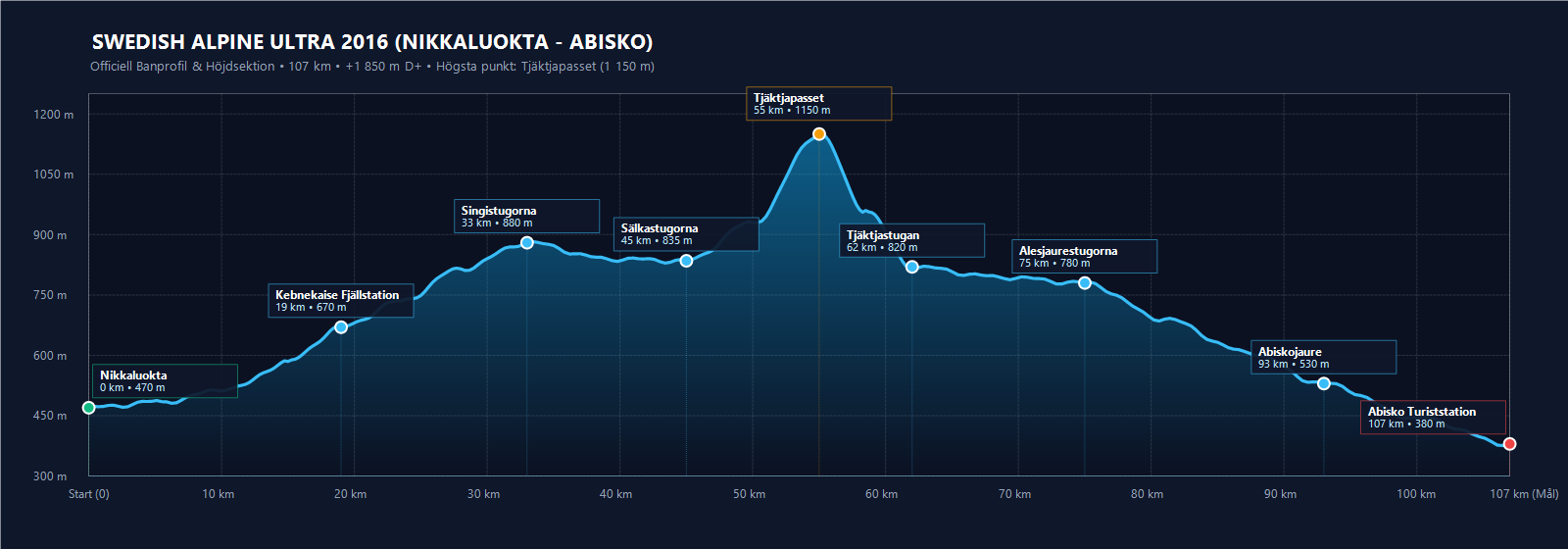
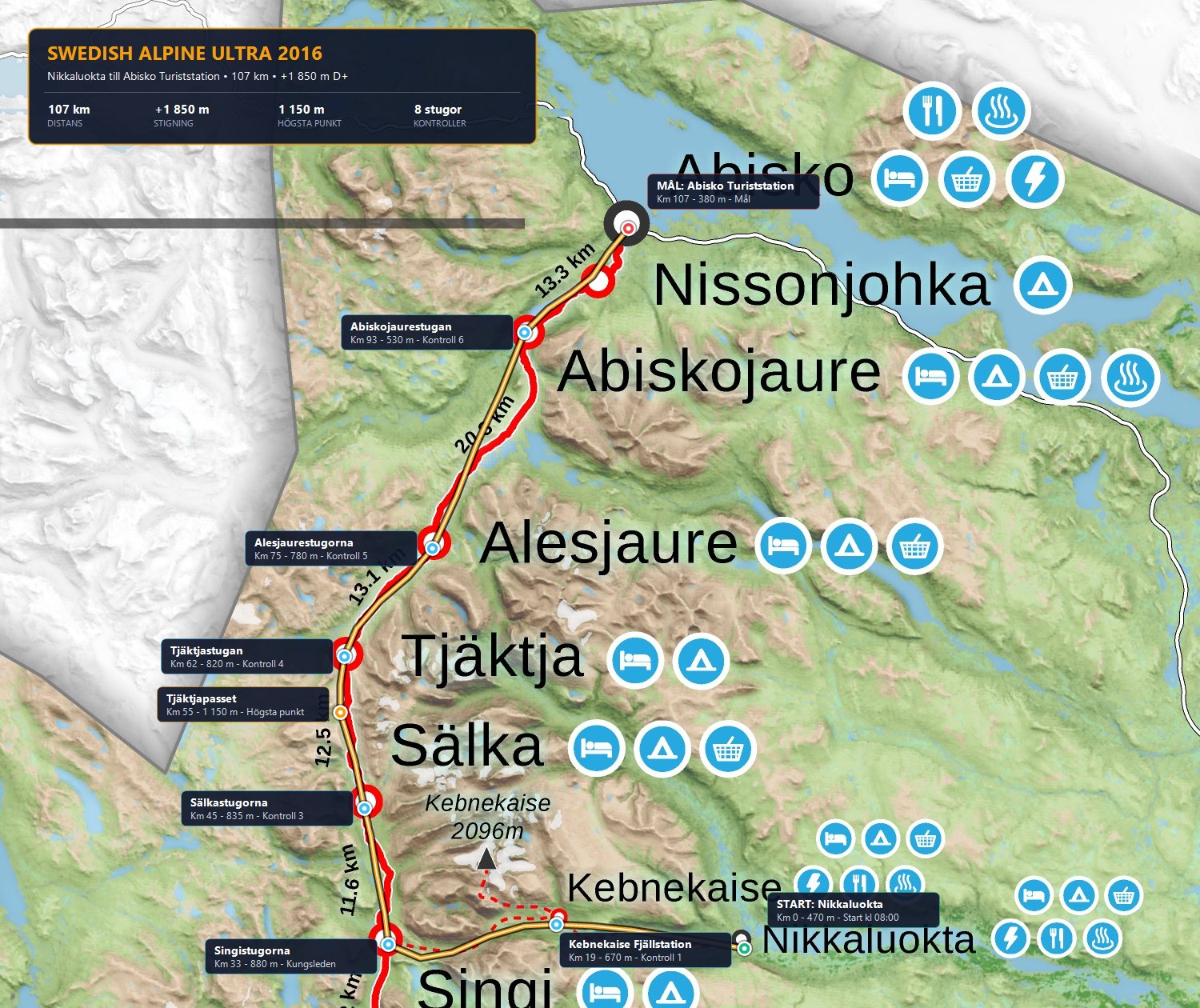
Sometimes you want a challenge so desperately that you refuse to accept reality: the train has already left the station, and your body is still stranded on the platform. Heading deep into the arctic wilderness on a point-to-point fell route with zero bailouts demands 100% preparation and a fully intact body. If you harbor even the slightest hesitation, playing it safe is the only sane option—because in the high fells, the mountains and raw nature always call the shots.
Rewinding to the spring: fresh off winning Täby Extreme Challenge (TEC 100 Miles), I felt poised for another monster season. It seemed like my body could take any beating I threw at it. In reality, rebuilding consistent mileage after TEC turned into an exercise in frustration. Every time I nudged weekly volume upward, a fresh niggle would flare up or a head cold would knock me back to square one.
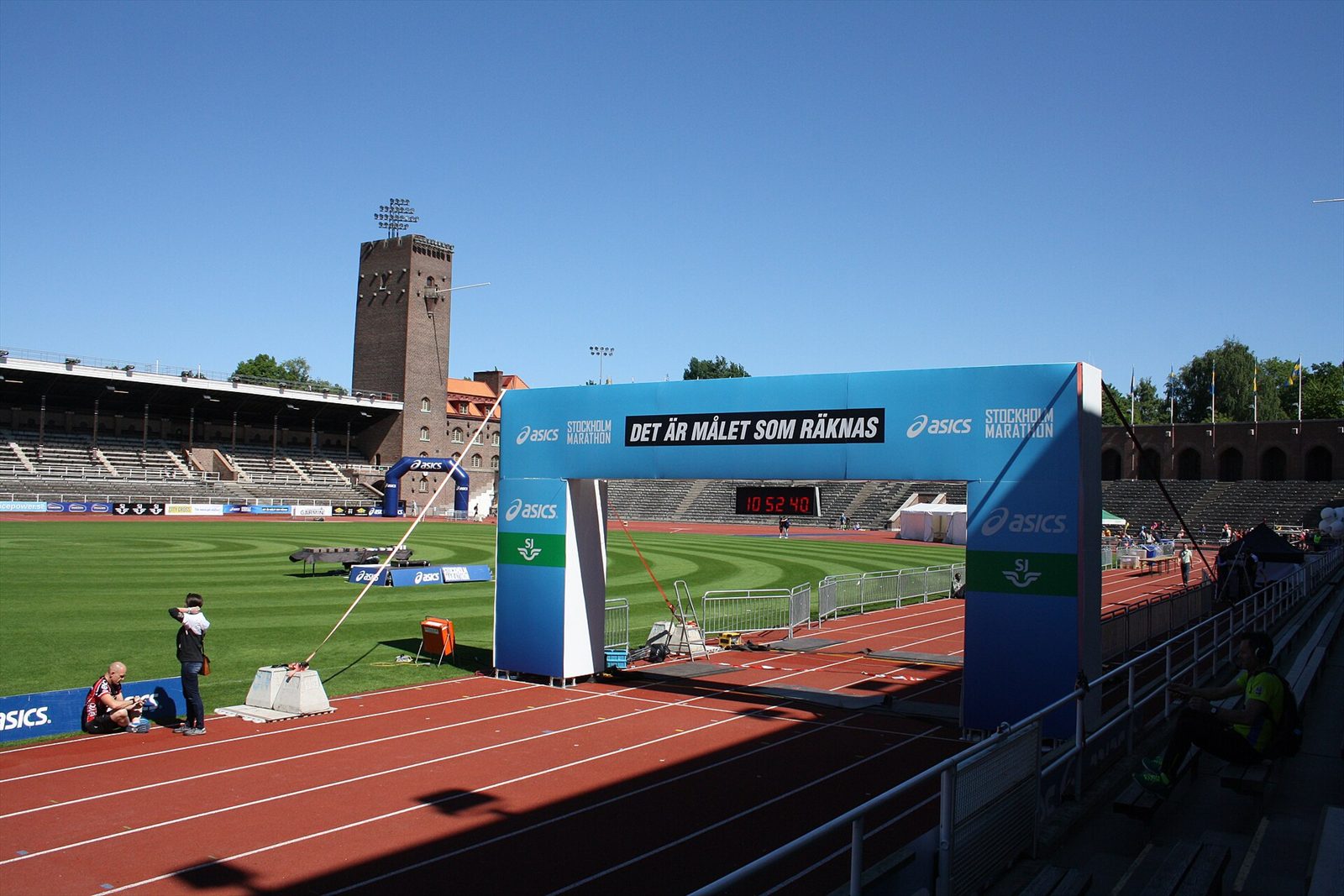
I have a personal ritual of toeing the line at the Stockholm Marathon regardless of how I feel. If the engine is firing, I chase a PR; if not, I treat it as a spirited tempo long run. Coming in, I had toyed with the idea of chasing 2:48. But throughout race week, I felt drained—heavy legs, broken sleep, and low-grade sickness. I stepped onto the start line with zero expectations, letting my body find its own ceiling. It was a dogfight from kilometer four. I nearly dropped out multiple times, but gritted it out to cross in 2:57—a tiny one-minute PR over the year before, which felt entirely respectable given the circumstances.
Immediately after the marathon, severe inflammation flared up beneath the forefoot pad of my right foot. At times, bearing weight was excruciating. I slashed mileage to the bare minimum through June, merely ticking over. A 64-minute shakedown at Ursvik Extreme was far off my best, but given my foot, I couldn't complain. The alarm bells were ringing loud and clear for the Swedish Alpine Ultra, but I kept hoping for a last-minute turnaround.
The Lineup at Nikkaluokta and a Redline Opening Sprint
When we traveled north to Lapland a week before the race, hope still flickered. In final preparation, I attempted a few fast, technical trail efforts. They only triggered sharp compensatory aches in my knee and hip. On the sleeper train north to Nikkaluokta, clarity hit me: lining up to race 107 rugged kilometers across arctic boulder fields in this state was sheer stupidity. Instead, I hatched an alternate plan: join the pack in full kit to soak up the start energy, run a short way down the trail, turn around, and catch a ride to Abisko to crew the finish.
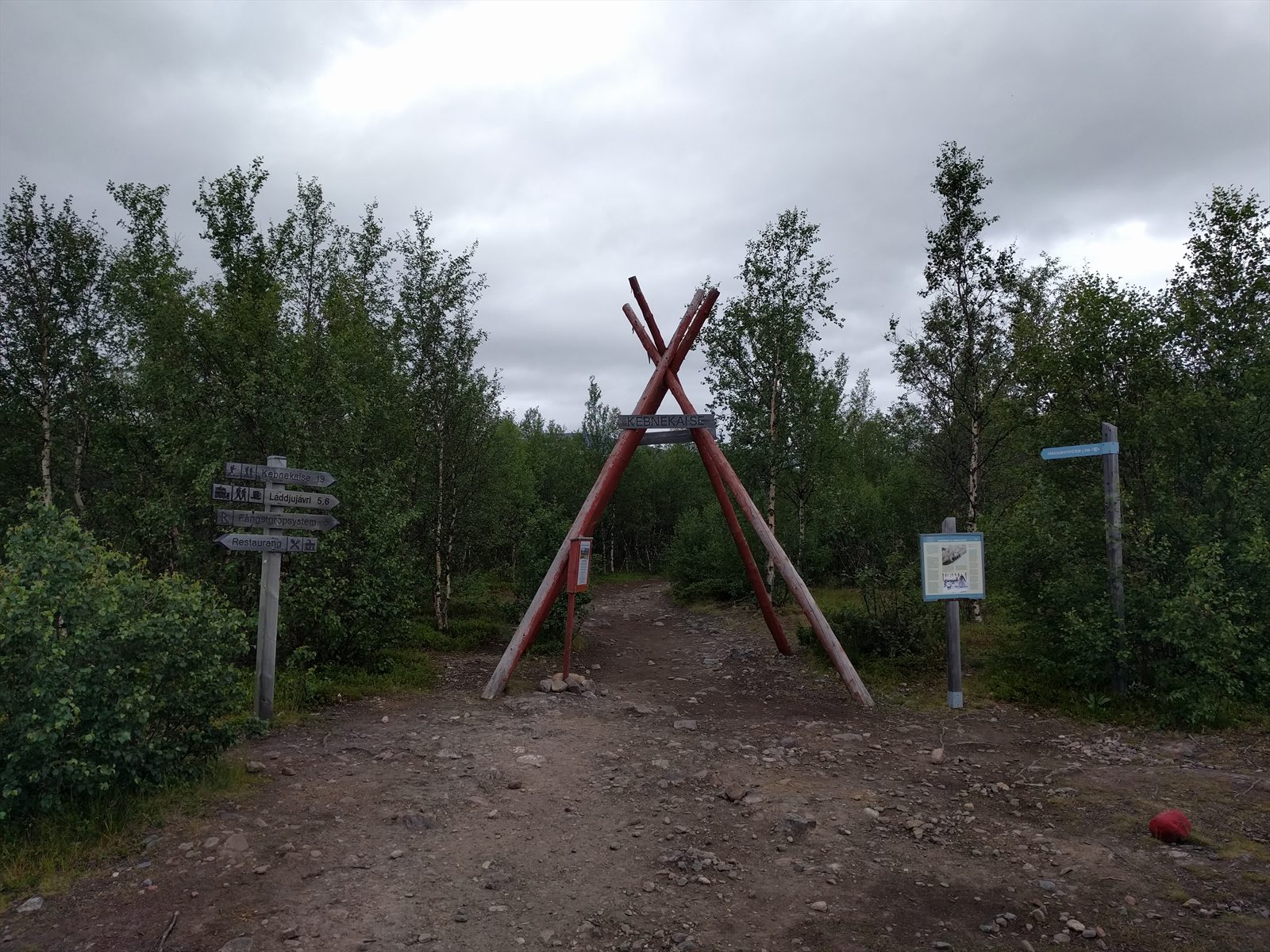
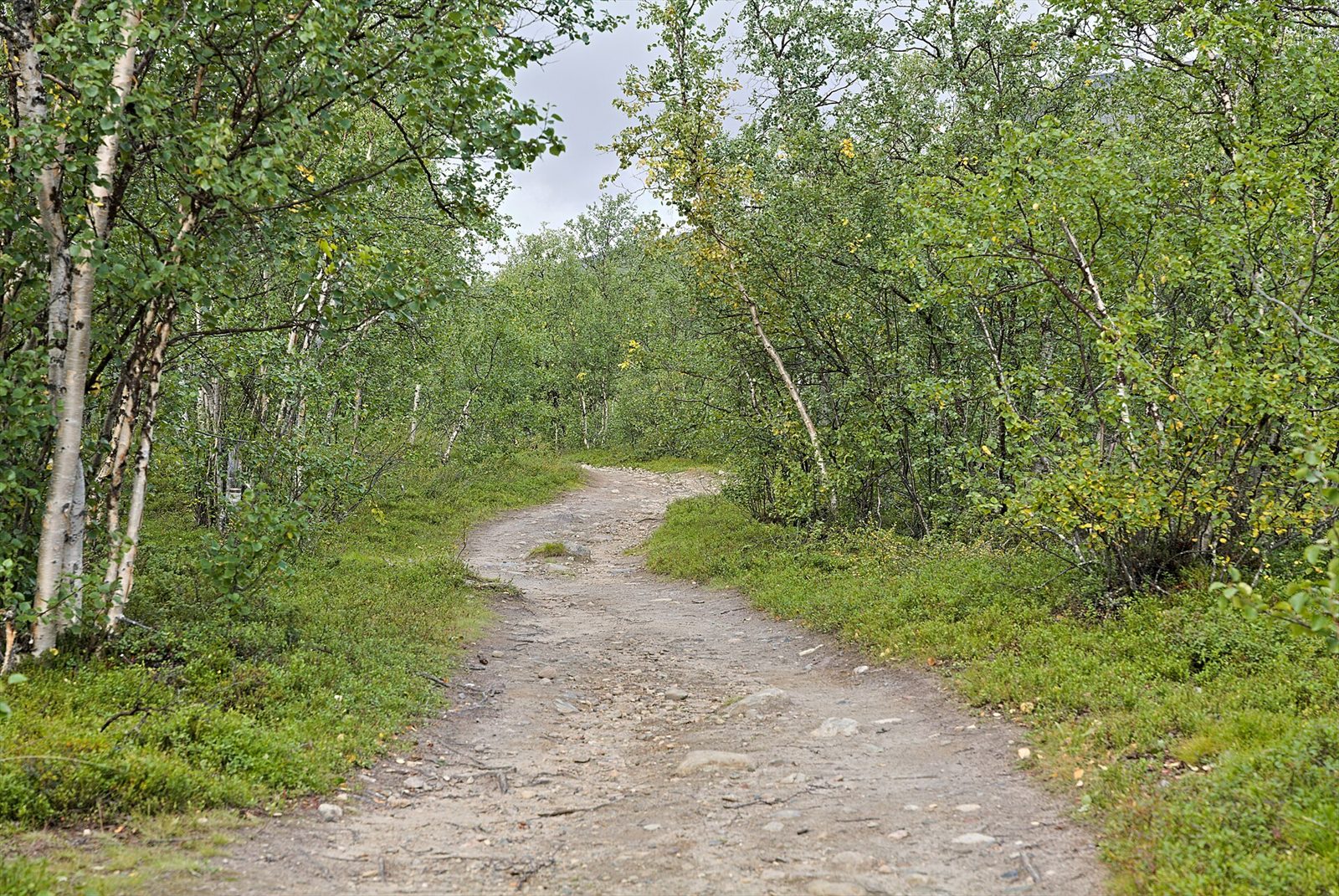
I suited up in all my race gear—deliberately leaving off my bib. Following the pre-race group photo, race director Roland yelled go, and the pack surged into the birch woods. Within a couple of hundred meters, Sten Johansson and I were leading the race, setting a blistering pace that felt far too hot for a 107 km technical fell crossing. Despite the frantic speed, a tight chase pack clung to our heels. Glancing back after 4 km, five runners were stalking us within 50 meters, and Sten clearly had no intention of easing off the gas until he broke the elastic.
The Fall at 7.5 km and the Humbling Return Walk
Passing 7 km, my right hip flared up with sharp compensation pain from guarding the sore foot; lifting the knee cleanly sent jolts through the joint. That was the exact moment I should have halted and turned around. Instead, ego whispered: "Just 500 meters more."
Five hundred meters later, unable to lift the leg properly, I clipped a rock and stumbled. While thinking "turn around right now," I did it again: dragged the toe and kicked a boulder dead-on. I pitched forward headfirst into a muddy ditch, slamming into the mire with both hands and my already-battered right knee.
I sprang up instantly, furious with myself for running straight into an obvious disaster. I shouted to Sten: "I'm done! Good luck out there!" and pivoted back toward Nikkaluokta. For a fleeting few seconds, that irrational ultra mindset urged me to turn around and give it one more shot. Looking down at my bleeding hand and throbbing knee quickly put an end to that nonsense. Halfway back to Nikkaluokta, my hip locked up completely. I was reduced to limping across every rock. Only then did the reality truly sink in: the mountains were not mine to conquer this year.
Celebrating the Finishers at Abisko
Instead of crossing the finish line myself, I had the privilege of experiencing the magic from the sidelines: watching other runners smash through their mental barriers and conquer something only a handful of humans ever will. As the finishers trickled in under the Abisko arch throughout the afternoon and evening, their faces told the whole story: total physical exhaustion mixed with sheer joy, stubborn grit, and wide-eyed awe.
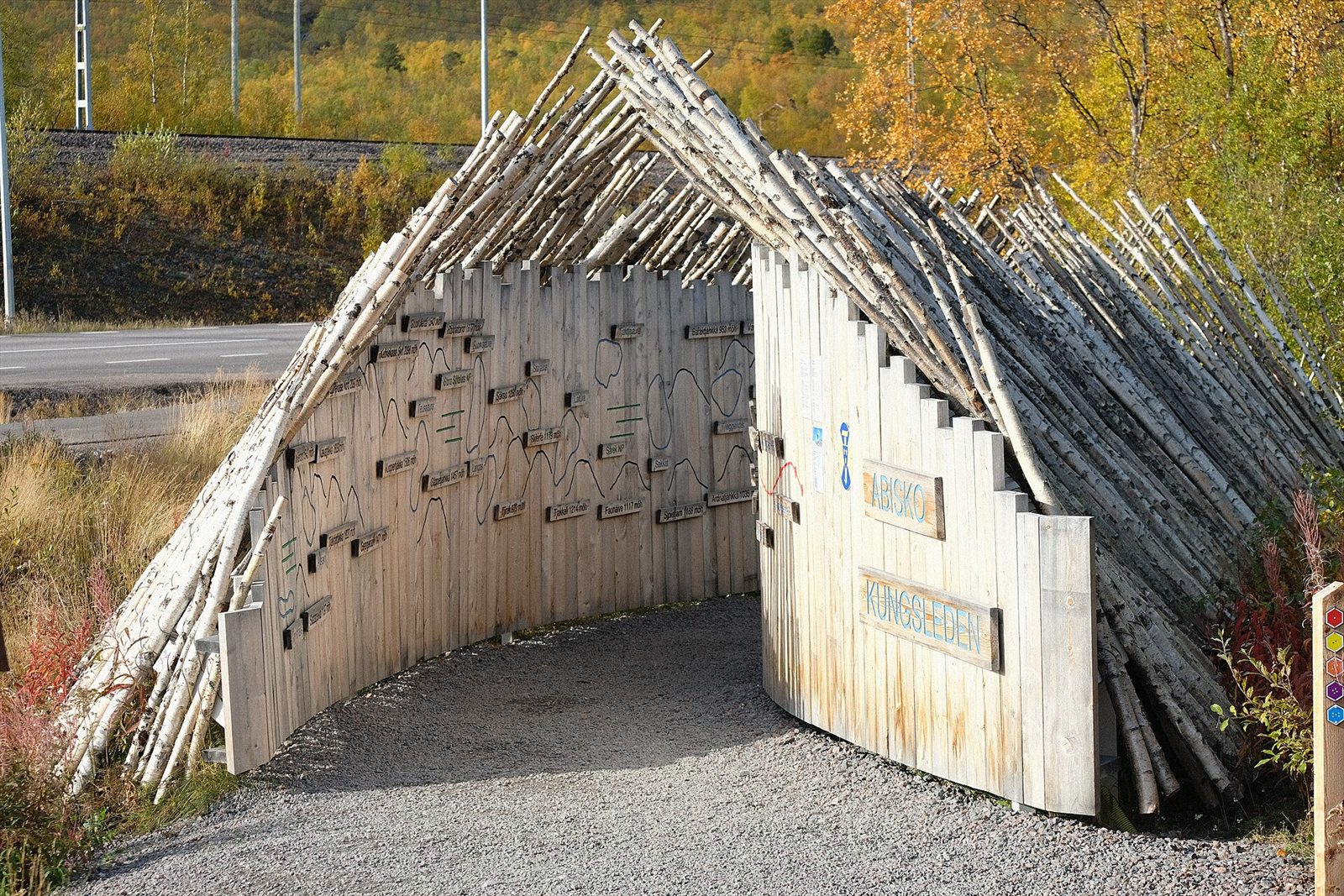
As always, the Swedish fells gave the field an unforgettable trial by fire. No two editions of the Swedish Alpine Ultra are ever alike. A heartfelt thank-you to Roland for pouring his heart and soul into making this event so special, and to all the volunteers who make it possible.
See you out there next year!