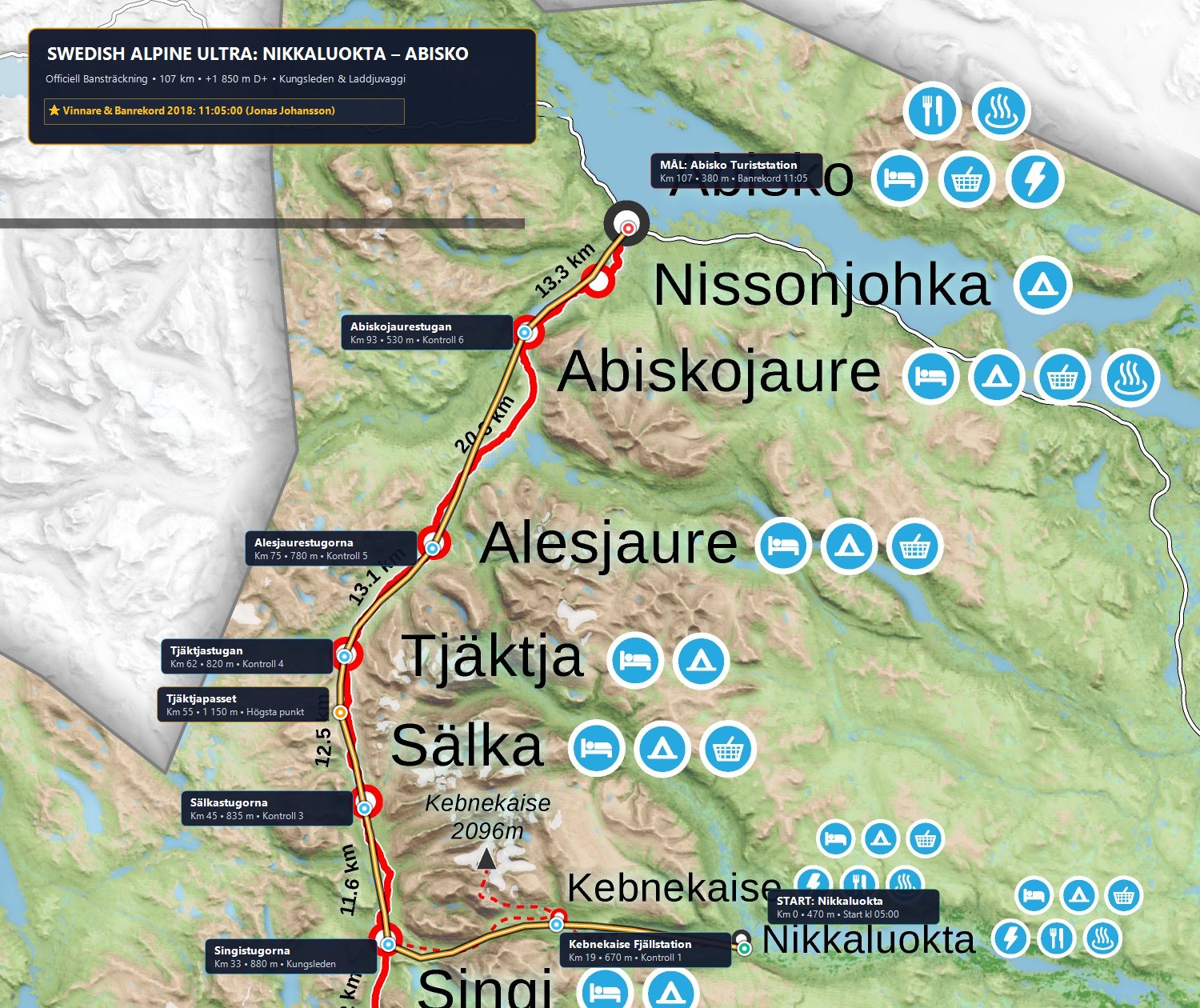
Swedish Alpine Ultra traces the legendary King’s Trail (Kungsleden) from Nikkaluokta to Abisko: roughly 107 km with 1,850 meters of vertical gain. This year would prove particularly brutal with an exceptional amount of late snow still blanketing the high arctic fells.
The backstory actually starts nine years earlier. This very stretch of wilderness was where I ran my first race ever. In my younger years, endurance sports weren't even on my radar—I strictly lifted heavy in the gym until one day in 2006, when a childhood friend pitched the crazy idea of running Fjällräven Classic together. "Running nearly 110 kilometers across the mountains? I can easily run a 10k, so how hard can doing ten of them in a row really be?!" Infinitely harder than we could have ever imagined! We bolted out of the gate way too fast and blew up spectacularly. Twenty-nine agonizing hours later, we crawled across the finish line with trashed bodies, swearing to the heavens that we would never run another step. My next clash with the King's Trail came at the 2014 edition of Swedish Alpine Ultra, where after a promising start I severely sprained my ankle just 3 kilometers in. 2015 was the year to finally settle the score with the mountain.
In the days leading up to the race, weather forecasts warned of foul weather, but when our train pulled into Kiruna, crisp arctic sunshine greeted us without being uncomfortably warm—prime running conditions. Out at Nikkaluokta, familiar veterans mingled with eager newcomers over dinner, debating trail conditions, kit choices, and race-day pacing. Right before dinner, my brother woke up after running the route in reverse the previous day (Abisko to Nikkaluokta), bringing grim reports of massive snowdrifts, collapsed snow bridges, and frozen numb feet through Tjäktja Pass. I didn't waste mental energy worrying about the snow pack; I simply locked my focus on executing my own race and seeing the journey all the way through to Abisko. All evening I felt restless, itching to start. But as they say: good things come to those who wait.
Nikkaluokta – Setting Off Toward Kebnekaise
Following the traditional SAU pre-race group photo at the trailhead arch, the start horn sounded and we were off. I fell into stride alongside Sten, who set a brisk opening pace. Early on, I noticed he was determined to dictate the tempo from the front. I’ve always found it difficult to latch onto someone else's rhythm rather than finding my own ultra groove, but chatting was better than spending the early hours stuck in my own head, so I tucked in behind him. Around kilometer 8, Sten dropped back to a walk to get down some nutrition; I told him I’d cruise steady and that he’d catch me shortly. The kilometers clicked by smoothly, but no Sten materialized behind me. I figured it was only a matter of time and kept rolling.
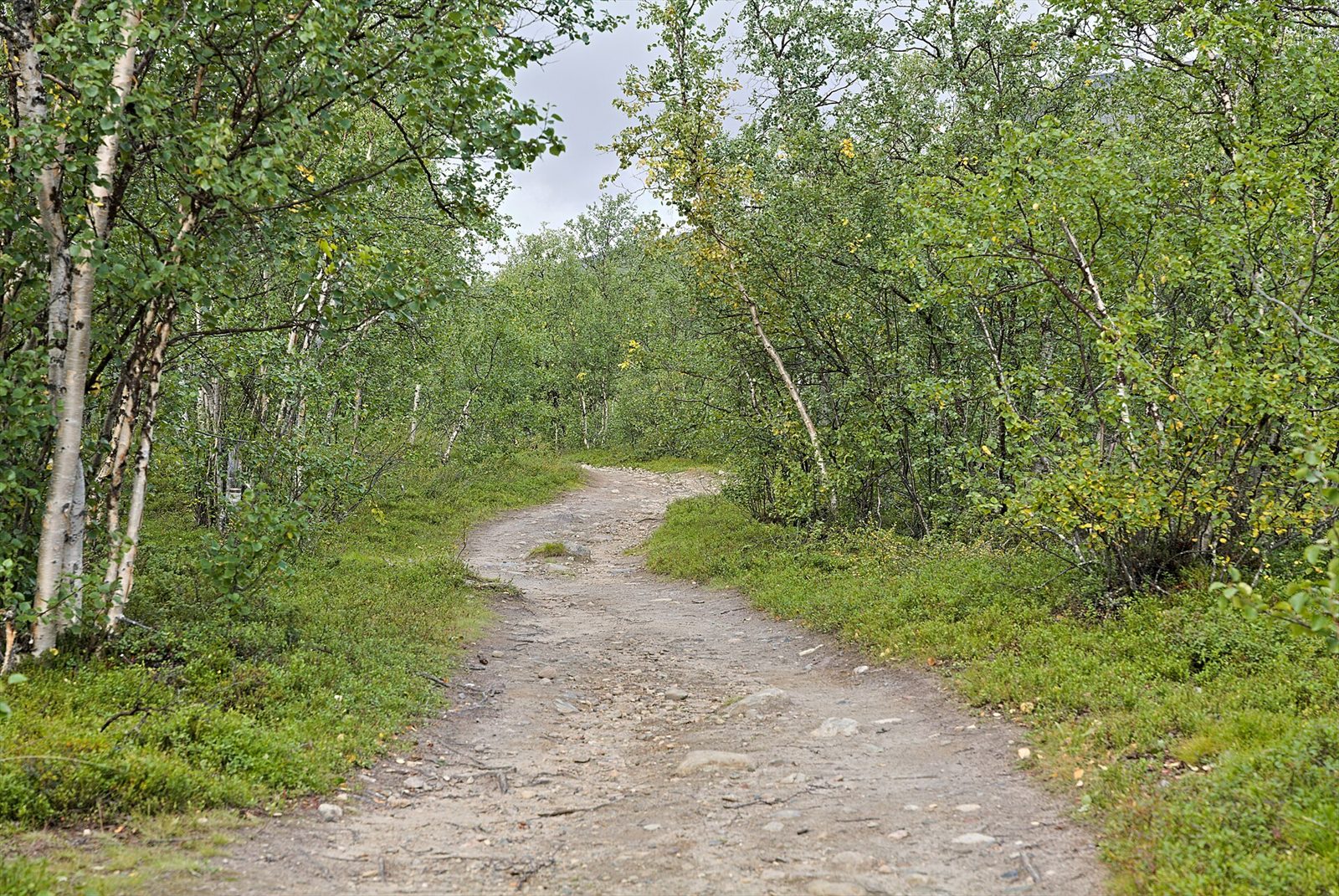
Kebnekaise Mountain Station (19 km)
I reached Kebnekaise Mountain Station at 1:44. The staff were busy setting up the finish arch for the Keb Classic Summer race, which had started an hour before us on a 43 km alpine loop around the massif. I didn't want to break momentum to chat, so I cruised straight past the station toward Singi. Cresting the rise immediately behind the station, I paused and glanced back across the valley to see if any chasers were in sight. Nothing—just empty fells as far as the eye could see. I assumed I might have gone out slightly too hot and that the pack would close the gap later on.
A few kilometers past the station came the first major stream crossing—or rather, the entire trail was completely submerged under swollen glacial meltwater. A few kilometers before Singi cabin, I spotted four race marshals hunkered down behind a massive boulder in heavy winter parkas with a table stocked with candy and Coca-Cola. It took a second to realize this was the final checkpoint for Keb Classic and the leaders were expected shortly. They hollered at me, asking if I was in Swedish Alpine, and offered fuel from their table. Not wanting to upset my stomach, I only grabbed two small candies and kept moving. My legs felt remarkably springy, eager to keep turning over. I tried to nibble some calories, but heavy fueling isn't my strong suit on ultras; instead, I trusted the deep fat adaptation that has carried me through so many long days. Right past the checkpoint, I crossed paths with the Keb Classic race leader looking locked-in, and yelled encouragement that the station was right around the bend. Shortly after, the second and third place runners passed by as I neared Singi.
Singi Cabin (33 km) – The First Cramps
Passing Singi, I cut too sharply northward and drifted roughly 50 meters off the official trail. That forced me to scramble through thick scrub willow and tussocks off-trail. Instantly, severe cramps detonated in both quads and both calves simultaneously. I was stunned—this was way too early for cramping, especially since my aerobic engine felt fresh. To short-circuit the spasms, I knocked back a packet of Resorb electrolyte tabs with water. Miraculously, it worked: the cramps released, and I settled back into a steady trot toward Sälka. This section of the valley was still relatively spared from heavy snow, with only sporadic drifts that were easy enough to skirt around.
Sälka (45 km) and the Snowfields of Tjäktja Pass
I blew past Sälka cabin at 4:43 with roughly 45 km in the bank. Right out of the checkpoint, the reality of what lay ahead became starkly apparent. The patches of snow grew longer, wider, and far more frequent. Initially, I doggedly tried to follow the summer trail until it plunged into a treacherous depression that looked dangerously undercut by hidden streams. Instead, I tracked along the snow edge up toward the winter trail markers where most hikers were navigating. Speaking of hikers—they looked at me like I had lost my mind: they were tramping through in heavy winter shells, crampons, and giant packs, while I was jogging past in split shorts and a short-sleeve tee! But I felt fantastic in the cool air; honestly, race day weather couldn't have been better.
Roughly 3 kilometers before the foot of Tjäktja Pass, the trail disappeared entirely beneath unbroken snow over a meter deep. Here I got my first taste of treacherous snow bridges. You take a step on what feels like solid crust, and suddenly punch through waist-deep. Most times, you just haul your leg out and keep moving. But several times, my leg plunged straight through into roaring glacial meltwater rushing beneath the snow, my foot dangling without touching bottom. Those are heart-in-throat moments where your adrenaline spikes; you scramble out as fast as humanly possible, because that water is barely above freezing. After wading through miles of ice slush and punched-out holes, my feet went completely numb—it literally felt like running on wooden pegs. The only antidote was driving the pace harder to generate body heat and get off the ice. At kilometer 54, after 6 hours on the clock, I finally hit the base of the pass and started the grind up the headwall. Luckily, the snow crust held firm on the climb, and my only job was kicking steps and not sliding backward. Cresting the summit shelter, I turned around to savor the sweeping panorama, scanning the horizon for other runners, but saw nothing except distant hikers.
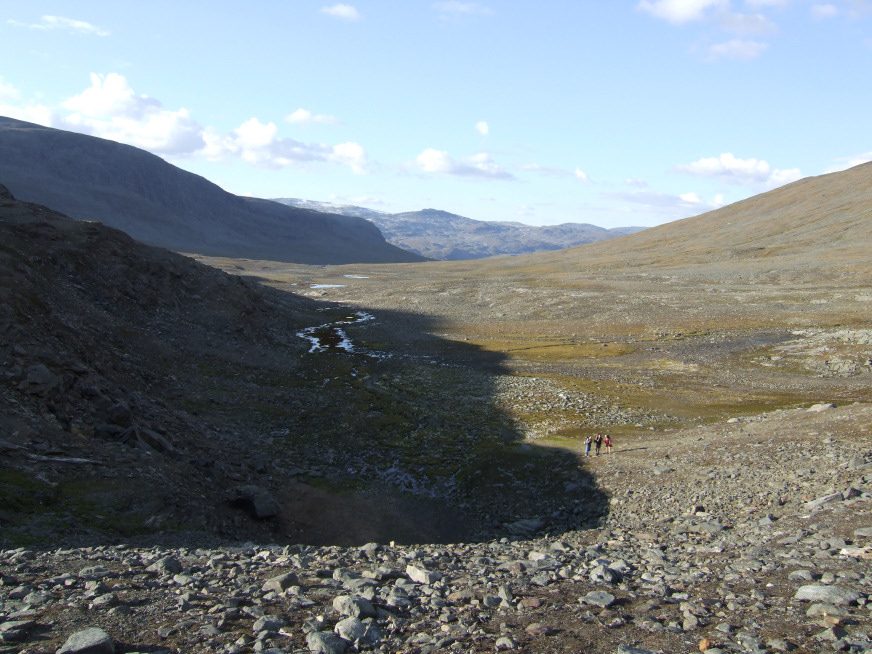
At the pass summit, I bumped into a hiking couple who had just ascended from the north. They warned me that the snow on the north face was completely rotten and barely holding weight all the way down to the stream crossing 6 km below. Sure enough, what I had hoped would be a glorious, sweeping glissade down the snow turned into a brutal slog through slush, collapsing crust, and hidden rocks. Sharp ice edges tore into my shins, leaving me looking like I'd barely survived a knife fight, but there was nothing to do except push forward.
Tjäktja Mountain Cabin (62 km)
Passing Tjäktja cabin, the green valley floor opened up below, and I couldn't wait to reach it and open up my stride on dry ground again. I plunged straight through the wide river crossing past the cabin at full speed, spraying water over astonished trekkers carefully balancing on trekking poles with 25-kilo packs, and scrambled up the opposite bank. What an incredible sensation to finally stretch my legs! The euphoria lasted about ten minutes before my quads gently reminded me of the massive toll the pass had taken. The running dialed back into a steady, metronomic ultra-jog. The stretch between Tjäktja and Alesjaure is easily one of the most runnable sections on the entire King's Trail: gentle grades, fewer loose boulders, and endless wooden boardwalks that let you cruise with minimal effort.
About 2 kilometers before Alesjaure cabin, a lingering snowdrift covered a wooden boardwalk. On my very last stride off the snow back onto the boards, my foot punched through and wedged tightly between the two parallel planks. My stomach dropped—I was certain I was about to snap my ankle. By sheer luck, I caught my momentum in time and managed to pry my foot free unharmed. Breathing a massive sigh of relief, knowing my race could easily have ended right there, I jogged on. What I didn't realize was that during the near-disaster, I had accidentally knocked the stop button on my GPS watch, and didn't notice until well past Alesjaure, leaving me guessing my exact elapsed time.
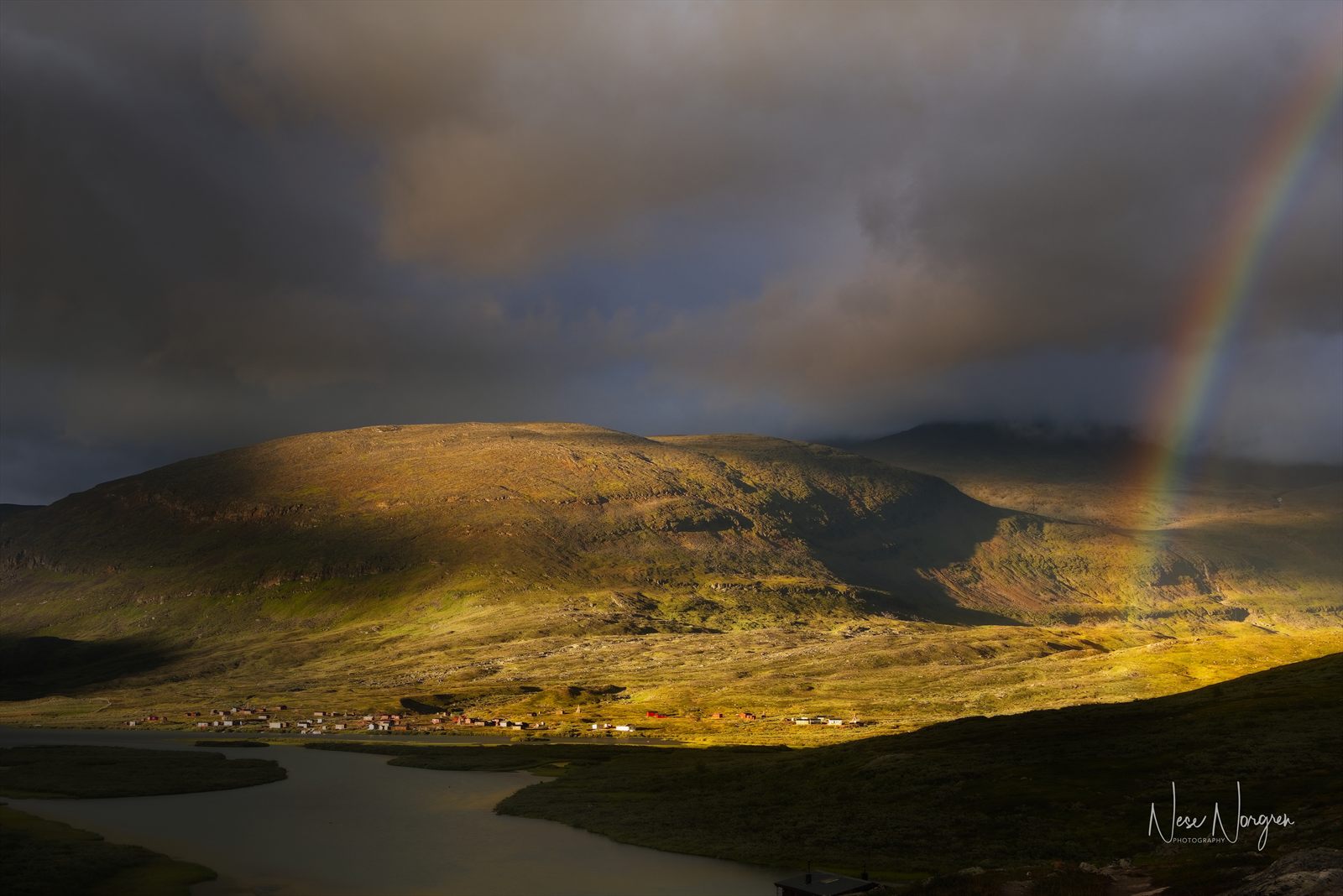
Alesjaure (75 km) – The Mental Abyss and Kieron Hill
Passing Alesjaure cabin, a group of English-speaking hikers cheered loudly, and the cabin warden was outside painting. We swapped a few words; he asked how long I had left, and I jokingly replied that I intended to make dinner before the buffet closed in Abisko at 20:00 (12 hours after the start). Jogging onward and calculating the math in my head, I suddenly realized: breaking 12 hours was genuinely on the table—maybe even 11:30 if the final stretch went smoothly.
Then, around kilometer 70 with 35 kilometers remaining, the wheels came off mentally. I plummeted into what I can only describe as 10 kilometers of pure, unadulterated suffering. I had already logged massive miles in punishing terrain, but had far too much distance left to feel like the finish was near. Every single step felt like a war of attrition; every micro-incline begged me to walk. I clawed with everything I had to redirect my mindset: You made it this far with springy legs—you are not letting this trail break you now!
The mental storm raged until the contour trail near Kieron Hill, where light finally pierced the tunnel. My stride clicked back into gear, and suddenly Kieron Hill materialized—a steep 300-meter descent. Full speed down the switchbacks, across the suspension bridge, and from there on out I felt stronger with every passing kilometer. I knew taking some fuel wouldn't hurt, but I couldn't be bothered to rummage through my vest with the finish line so close.
Abiskojaure (93 km) and the Sub-12 Sprint
Passing Abiskojaure cabin, I resolved to run every single step of the remaining trail. It wasn't blistering speed, but it was honest, steady momentum. I glanced at my watch constantly, watching the 12-hour barrier slip away second by second. Time to drop the hammer—no more conserving energy on the rises. Passing the campsite, I remembered there should be around 4 kilometers left. A group of hikers who knew about the race cheered me on; I hollered back, asking how far to the station. One shouted "10 minutes!" while the other yelled "4 kilometers!" Splitting the difference, I kept charging until cell reception finally crackled to life.
I tried calling race director Roland, but the call dropped, so I rang my wife (waiting at the finish with our family and my parents) and told her I was coming in hot. I blurted out that I was about 10 minutes away—which proved to be an overly optimistic estimate. That call sparked a fresh surge of adrenaline, but the trail felt endless; those last 10 kilometers felt like 30. Suddenly, the iconic wooden archway to the King's Trail loomed into view. My watch read 19:55. Five minutes left to break 12 hours! No time to think—just sprint. My legs fired instantly. Full gas up the final gravel hill, and there it was: the finish line!
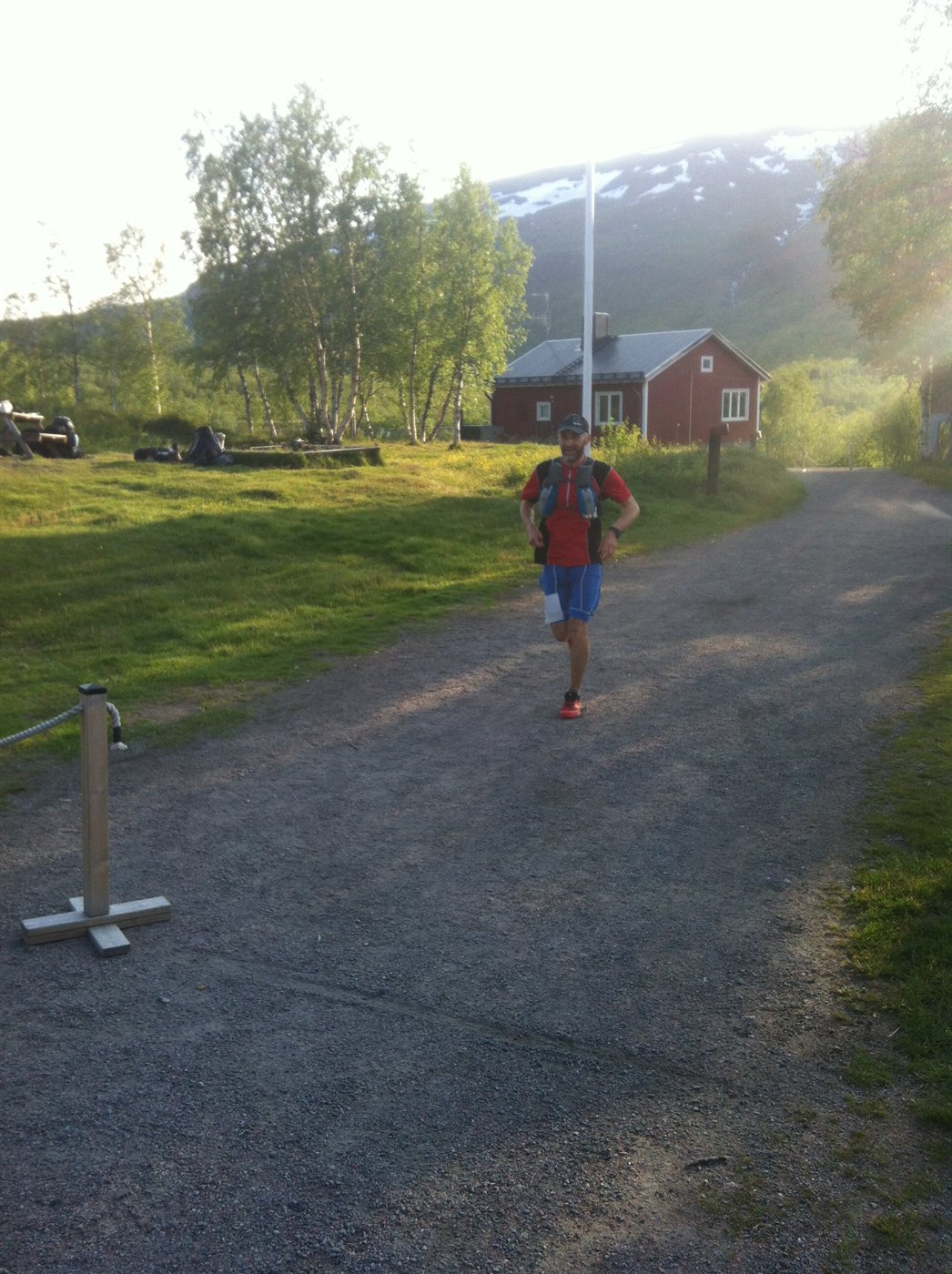
The Finish in Abisko – 11:54 and Sweet Redemption
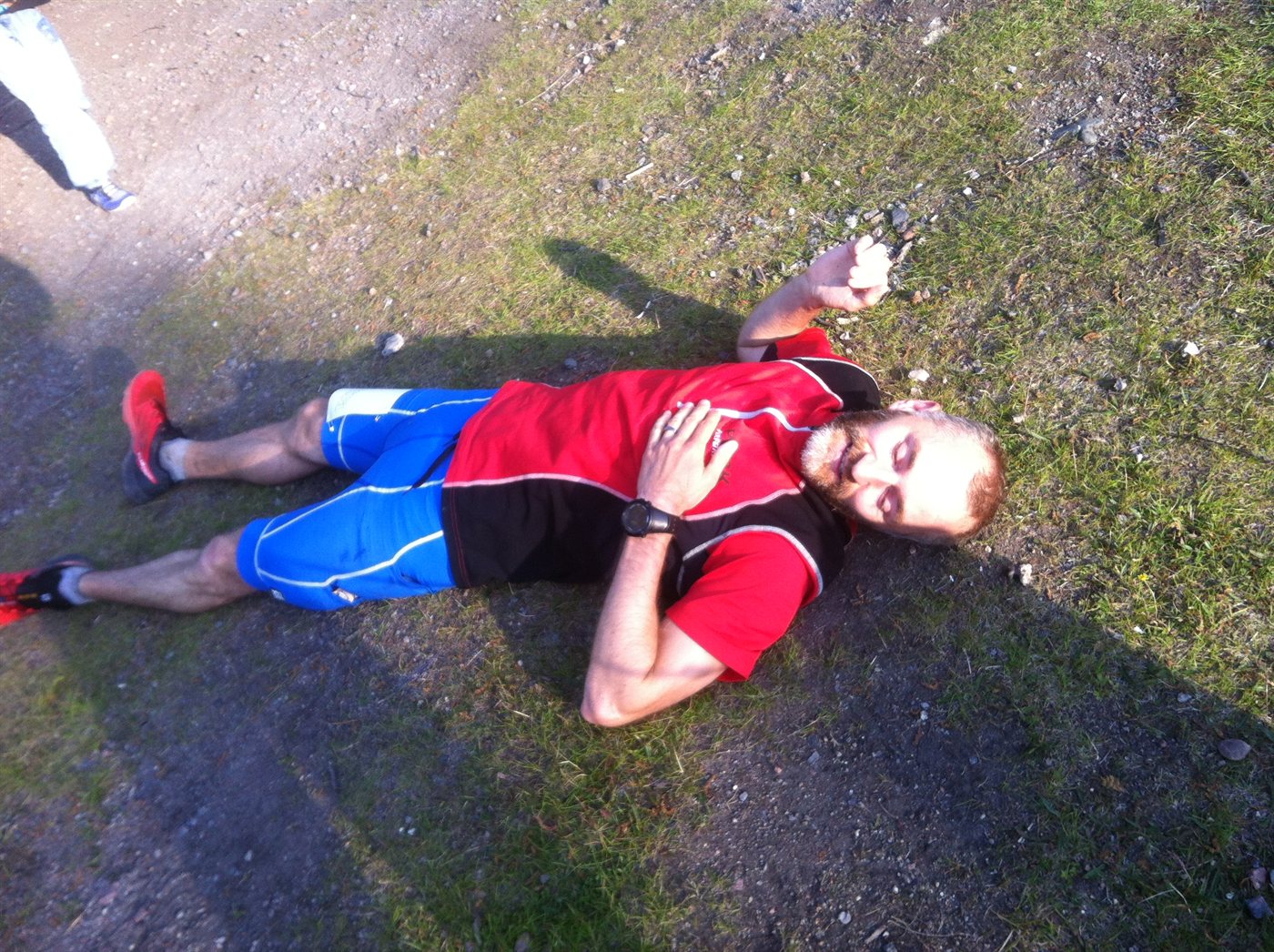
Bursting onto the finish lawn, I saw my incredible wife and kids, my parents, my brother, Roland, and another familiar face I couldn't quite place through the fog of exhaustion. The second my feet crossed the line, all power abruptly cut out. My legs buckled, and in an instant, I was utterly incapable of moving or standing upright. Had the race been 100 meters longer, I genuinely don't know if I could have covered it. The human body is a miraculous machine: it will carry you through mountains when pushed, and it knows precisely when the job is done.
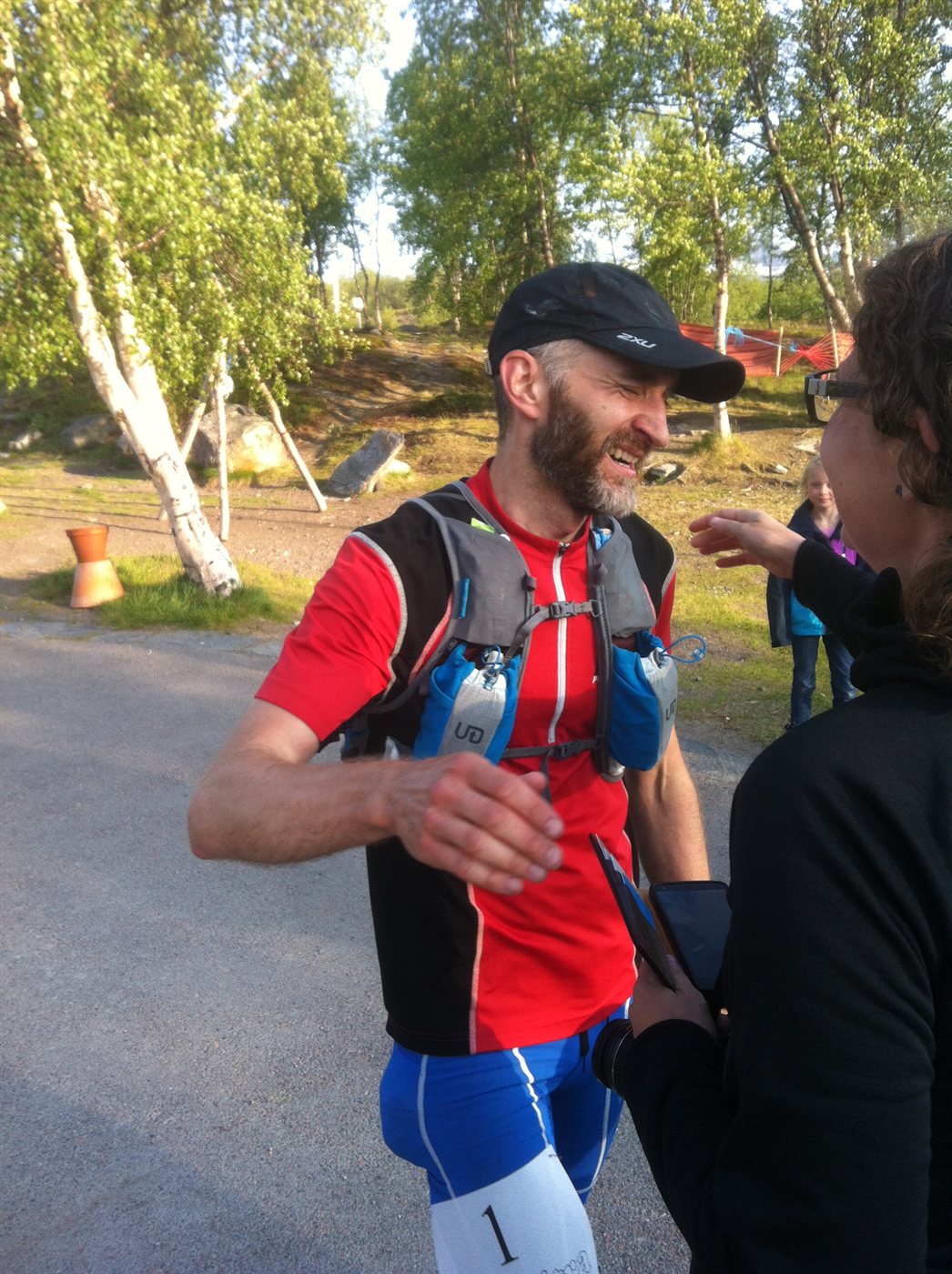
I couldn't be happier with this race. Breaking 12 hours on this course had been a dream goal, but given the brutal snowpack, I had serious doubts during the middle miles. Knowing I can shave significant time on a drier year is exciting. Fueling totals: 1 Clif Bar (250 kcal), 4 Clif Bloks packs (800 kcal), 4 Vitargo gels (400 kcal), and 1 Clif Shot (100 kcal). I doubt taking more calories would have improved my performance, and my stomach likely would have rebelled.
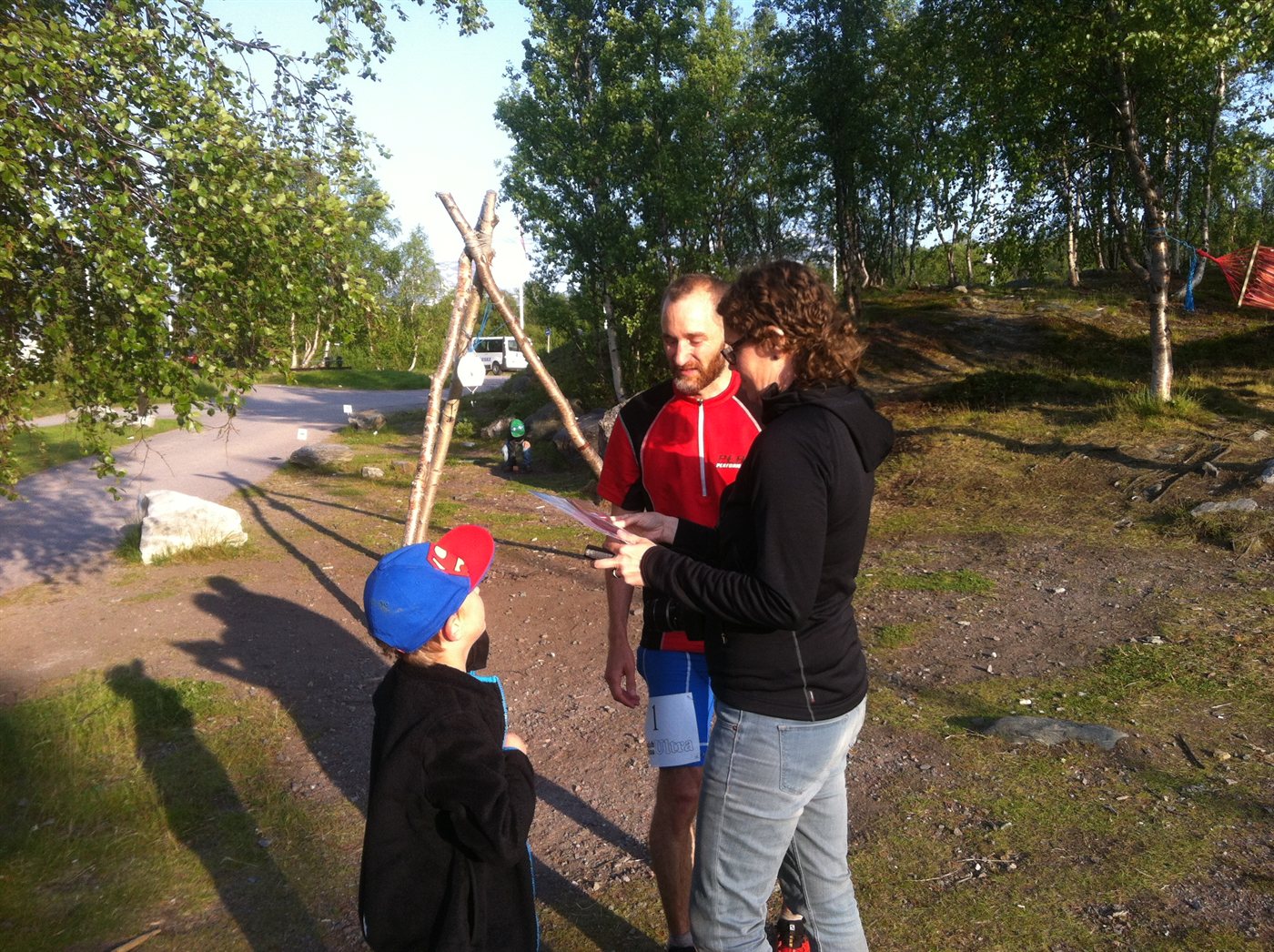
A massive, heartfelt thank you to Roland and everyone who dedicates their energy to making Swedish Alpine Ultra the incredible, unforgettable race it is!